


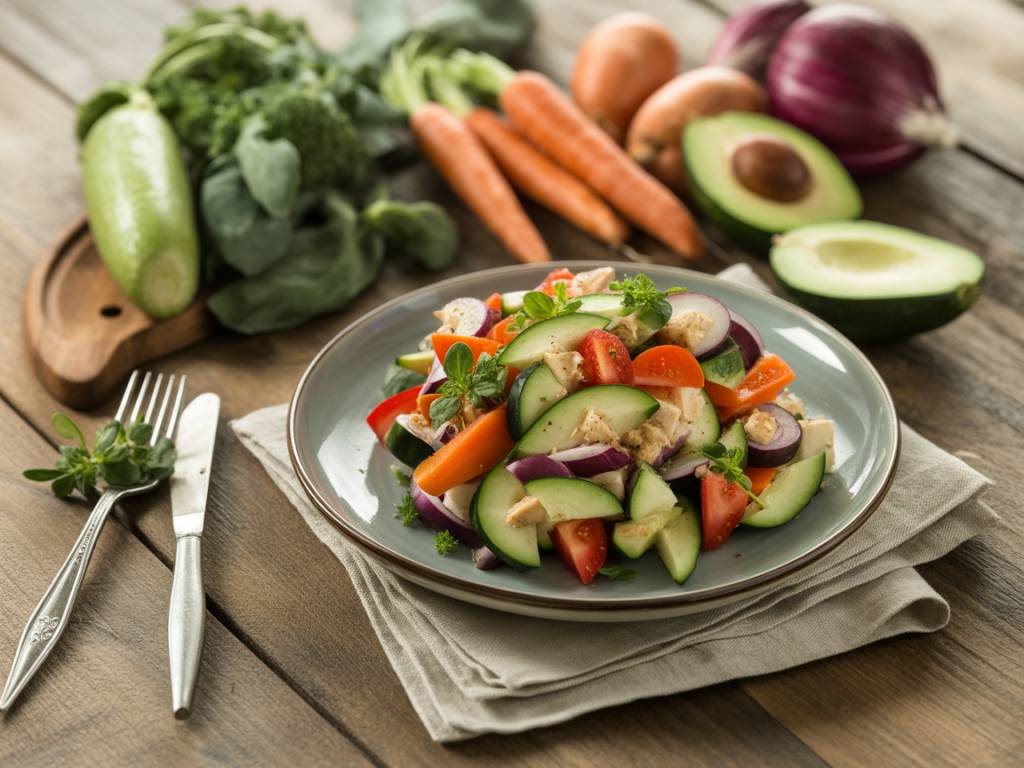
If you’re trying to keep your blood sugar stable, you quickly realize one thing: carbs are everywhere. Bread, pasta, rice… even some “healthy” foods can send glucose on a roller coaster. But here’s the good news: you can still enjoy a full, satisfying plate thanks to ultra-low-carb vegetables that barely move the needle on blood sugar.
Are there truly “zero-carb” vegetables? Technically, almost all vegetables contain at least trace carbohydrates. But several are extremely low in net carbs (total carbs minus fiber), which means their impact on blood sugar is minimal for most people. These are the vegetables you can load your plate with, especially if you’re managing diabetes, insulin resistance, or simply aiming for better metabolic health.
Let’s explore the best very-low-carb vegetables, how to use them, and a few tips to turn them into real meals—not sad side salads.
What “zero carb” really means (and why it matters)
Before diving into the vegetables, it’s important to clarify terminology. When you see “zero-carb” in the context of vegetables, it usually means:
- Very low net carbs: Typically under 2–3 g net carbs per 100 g.
- High fiber and water content: Which slows digestion and blunts any glucose response.
- Minimal impact on blood sugar for most people when eaten in realistic portions.
So while these vegetables may not be literally at 0 g carbs, they are close enough to function as “free foods” for many blood-sugar-conscious eaters, especially compared with grains, potatoes, or sugary snacks.
Of course, each body is unique. If you monitor your blood sugar with a glucometer or CGM, you might notice some variation. But most people can eat generous servings of the vegetables below without significant spikes.
The champions: very-low-carb vegetables to fill your plate
Let’s start with the vegetables that are so low in net carbs that you can safely think of them as your go-to plate fillers.
Leafy greens: the foundation of a low-carb plate
Leafy greens are practically designed for stable blood sugar: they’re rich in fiber, water, micronutrients, and almost devoid of net carbs.
- Spinach – Raw spinach has around 1 g net carb per 100 g. It’s an all-star for salads, omelets, sautés, and smoothies. Lightly wilting it with olive oil and garlic creates a quick, nutrient-packed side.
- Lettuce (romaine, iceberg, butterhead) – Even lower in carbs than spinach. Perfect as a base for huge salads or as a wrap to replace tortillas or burger buns.
- Kale – Slightly higher in carbs than spinach, but still very low in net carbs due to its fiber content. Roast it into crispy chips or massage it with olive oil and lemon for a hearty salad that actually keeps you full.
- Arugula – Peppery, flavorful, and virtually carb-free in normal portions. Great to add variety and taste to your plate without affecting your glucose.
A practical trick: think of leafy greens not as a side, but as the base of your meal. Build everything else on top.
Cucumbers and celery: crunchy volume without the carbs
If you love crunch but want to avoid crackers and chips, cucumbers and celery are your friends.
- Cucumber – About 1–2 g net carbs per 100 g. Mostly water, refreshing, and very versatile. Slice it into salads, dip it into hummus or Greek yogurt dips, or marinate it with vinegar and herbs.
- Celery – Around 1–2 g net carbs per 100 g. Celery is the king of low-calorie, low-carb volume. It pairs well with nut butters, cream cheese, or tuna salad for a crunchy, satisfying snack.
These vegetables are particularly useful if you tend to overeat more calorie-dense foods. Use them to add bulk to your plate without spiking blood sugar or blowing up your calorie intake.
Zucchini and summer squash: the shape-shifters
Zucchini and yellow squash are borderline magical when you’re reducing carbs. They take on sauces beautifully and can mimic higher-carb foods.
- Zucchini – About 2–3 g net carbs per 100 g. Spiralized, it becomes “zoodles,” a low-carb alternative to pasta. Sliced lengthwise, it can replace lasagna sheets. Grated, it adds volume to omelets, burgers, and fritters.
- Yellow summer squash – Similar profile to zucchini, with a slightly sweeter taste. Great for grilling, baking, or sautéing with garlic and herbs.
Try this idea: sauté zucchini noodles in olive oil, toss with pesto and a handful of parmesan, and serve with grilled chicken or tofu. The carbs stay low, but the satisfaction factor is high.
Cruciferous vegetables: fiber-rich and blood-sugar-friendly
Broccoli, cauliflower, and their cousins do contain a few more carbs than lettuces or cucumbers, but thanks to their fiber and low glycemic impact, they remain excellent choices for stable blood sugar.
- Cauliflower – About 3 g net carbs per 100 g. This is the ultimate low-carb chameleon:
- Grated and lightly sautéed = “rice”
- Steamed and blended with butter = “mashed potatoes” alternative
- Roasted with spices = a filling main or side
- Broccoli – Around 4 g net carbs per 100 g. Packed with vitamin C, fiber, and beneficial plant compounds. Roasted broccoli with olive oil and salt is simple, delicious, and very blood-sugar-friendly.
- Bok choy – A lighter cruciferous vegetable with a very low net carb count. Ideal in stir-fries or soups, especially with ginger, garlic, and a protein source.
For many people on low-carb or ketogenic diets, cruciferous vegetables are a daily staple because they’re both filling and nutritionally dense.
Asparagus and green beans: low-carb sides that feel like “real food”
If you’re used to rice, pasta, or potatoes as your default side dish, asparagus and green beans can step in as low-carb replacements that still feel substantial.
- Asparagus – Around 2 g net carbs per 100 g. Amazing roasted, grilled, or lightly steamed and topped with olive oil, lemon, and salt. Works well at breakfast (with eggs), lunch, or dinner.
- Green beans (string beans) – Typically 3–4 g net carbs per 100 g. Slightly higher than some other vegetables here but still very gentle on blood sugar when portioned reasonably. Sauté them in olive oil with garlic and almonds for extra crunch and healthy fats.
Because they have a firmer texture, these vegetables can mentally “replace” starches on the plate, which makes low-carb eating feel less restrictive.
Mushrooms: technically not vegetables, but incredibly useful
Botanically, mushrooms are fungi, not vegetables—but for your plate, they play the same role and are very low in net carbs.
- Button mushrooms, cremini, portobello, shiitake – Usually 2–3 g net carbs per 100 g. Mushrooms bring umami and a “meaty” texture with barely any carb cost.
Use them to:
- Replace part of the meat in a recipe to lower calories while keeping it hearty
- Stuff portobello caps with cheese, herbs, and minced meat for a complete meal
- Add depth of flavor to stir-fries and omelets
Herbs and aromatics: tiny carbs, huge impact
Fresh herbs and aromatic vegetables are usually eaten in small amounts, so their carb content is negligible—but their impact on flavor is huge.
- Parsley, cilantro, basil, dill, chives – Almost no usable carbs per serving. Chop them generously into salads, dressings, and cooked dishes.
- Garlic and onion – Higher in carbs per 100 g, but typically used in small amounts. A clove or two of garlic, or a few onion slices, won’t ruin your carb budget but will dramatically improve taste.
If you’re extremely carb-sensitive, you can moderate onion and garlic, but for most people, the net impact on blood sugar from typical cooking quantities is minimal.
Very-low-carb vegetables at a glance
Here’s a quick recap of vegetables that are especially easy to fit into a near-zero-carb approach (per 100 g, approximate net carbs):
- Spinach: ~1 g
- Lettuce (various types): ~1–2 g
- Cucumber: ~1–2 g
- Celery: ~1–2 g
- Zucchini: ~2–3 g
- Asparagus: ~2 g
- Cauliflower: ~3 g
- Mushrooms: ~2–3 g
- Green beans: ~3–4 g
- Broccoli: ~4 g
These numbers can vary slightly depending on source, variety, and cooking method, but they’re reliable ballpark values.
How to turn low-carb vegetables into satisfying meals
A plate full of salad leaves is great, but you won’t stick to any way of eating if you’re constantly hungry. The key is to combine these low-carb vegetables with the right partners.
Think in terms of three building blocks:
- Low-carb vegetables for volume
- Protein for satiety and muscle maintenance
- Healthy fats for satisfaction and stable blood sugar
Here are some practical combinations:
- Big salad bowls
- Base: spinach, lettuce, arugula, cucumber, celery
- Protein: grilled chicken, boiled eggs, tofu, salmon, tuna
- Fats: olive oil dressing, avocado slices, nuts or seeds
- Stir-fries
- Veg: bok choy, zucchini, green beans, mushrooms, broccoli
- Protein: shrimp, beef strips, tempeh, chicken
- Flavor: garlic, ginger, soy sauce or tamari, sesame oil
- “Fake pasta” dinners
- Base: zucchini noodles or shredded cabbage
- Sauce: tomato-based meat sauce or creamy mushroom sauce
- Extras: parmesan, fresh basil, olive oil
- Low-carb “rice” plates
- Base: cauliflower rice sautéed with olive oil and spices
- Top with: curry, stir-fried vegetables and chicken, or a chili-style dish
The goal is simple: use low-carb vegetables to replace starches on your plate, while still keeping meals colorful, generous, and satisfying.
Managing blood sugar: why these vegetables help
What makes these vegetables so effective for blood-sugar management?
- They’re high in fiber, which slows gastric emptying and carbohydrate absorption.
- They have a low glycemic load, meaning each serving delivers very little usable carbohydrate.
- They’re nutrient-dense, providing vitamins, minerals, and antioxidants that support overall metabolic health.
- They displace higher-carb foods — when your plate is half full of vegetables, there’s less room for refined carbs.
Over time, building most of your meals around these vegetables can support more stable energy, fewer cravings, and better long-term health markers like fasting glucose and HbA1c.
Of course, if you’re on medication for diabetes or have a specific medical condition, any major dietary change should be discussed with your healthcare provider or a qualified dietitian.
Common mistakes when using “zero-carb” vegetables
Even with the right vegetables, a few traps can sabotage your efforts.
- Drowning vegetables in sugary sauces – Ketchup, sweet chili sauce, some ready-made salad dressings, and even certain “healthy” marinades can contain a surprising amount of sugar.
- Forgetting about portions of higher-carb vegetables – Carrots, beets, peas, corn, and potatoes are nutritious but significantly higher in carbs. They’re not off-limits for everyone, but they’re not “zero-carb”.
- Under-eating protein and fat – A giant bowl of lettuce without enough protein or fat will leave you hungry, which makes it harder to keep your food choices on track later.
- Relying only on raw vegetables – Raw veggies are great, but for some people they cause digestive discomfort. Light cooking (steaming, sautéing, roasting) can make them easier to tolerate while keeping carbs low.
Simple day of eating with very-low-carb vegetables
To make this concrete, here’s an example day that keeps carbs low and blood sugar stable while using many of the vegetables above:
- Breakfast:
- Omelet with spinach, mushrooms, and a bit of cheese
- Side of sliced cucumber with salt and olive oil
- Lunch:
- Big salad with lettuce, arugula, celery, cucumber, grilled chicken, avocado, and olive oil–lemon dressing
- Snack:
- Celery sticks with almond butter, or a few slices of cheese with sliced zucchini
- Dinner:
- Grilled salmon
- Roasted broccoli and cauliflower with olive oil, garlic, and herbs
- Side of sautéed asparagus
This type of day will be very low in net carbs while still providing plenty of food volume, micronutrients, and satisfaction.
Key takeaways for your next plate
If you remember just a few principles, you’ll already be ahead:
- Base half your plate on very-low-carb vegetables like leafy greens, cucumber, celery, zucchini, cauliflower, mushrooms, and asparagus.
- Add a solid source of protein (eggs, fish, poultry, tofu, legumes if tolerated).
- Include healthy fats like olive oil, avocado, nuts, or seeds to stay full.
- Watch for hidden sugars in sauces and dressings.
- Use vegetables not as a side thought, but as the core of your meals.
“Zero-carb” vegetables won’t just help you avoid blood sugar spikes—they’ll also make your plate more colorful, nutrient-dense, and satisfying. And once you start experimenting with different textures, cooking methods, and seasonings, you’ll realize that a low-carb plate doesn’t have to feel like a compromise at all.