Skip to content

Articles récents

  • 10 benefits of cantaloupe for hydration immune support and healthy skin
  • 0 carb drinks you can enjoy while cutting sugar and managing weight
  • 10 benefits of snake plant for indoor air quality and better sleep
  • 1 blueberries calories and the surprising nutrient power in a tiny serving
  • Daily intake of milk and how it fits into a modern healthy eating pattern

Most Used Categories

  • Nutrition (42)
  • Health (10)
  • Sports (7)
  • Products (1)
Skip to content
Nutrition and Health

Nutrition and Health

  • Home
  • Health
  • Nutrition
  • Products
  • Recipes
  • Sports
  • Contact Us
  • Home
  • Nutrition
  • 1 milk vs whole and how fat content really affects your health
1 milk vs whole and how fat content really affects your health

1 milk vs whole and how fat content really affects your health

Paul16 octobre 202513 décembre 2025

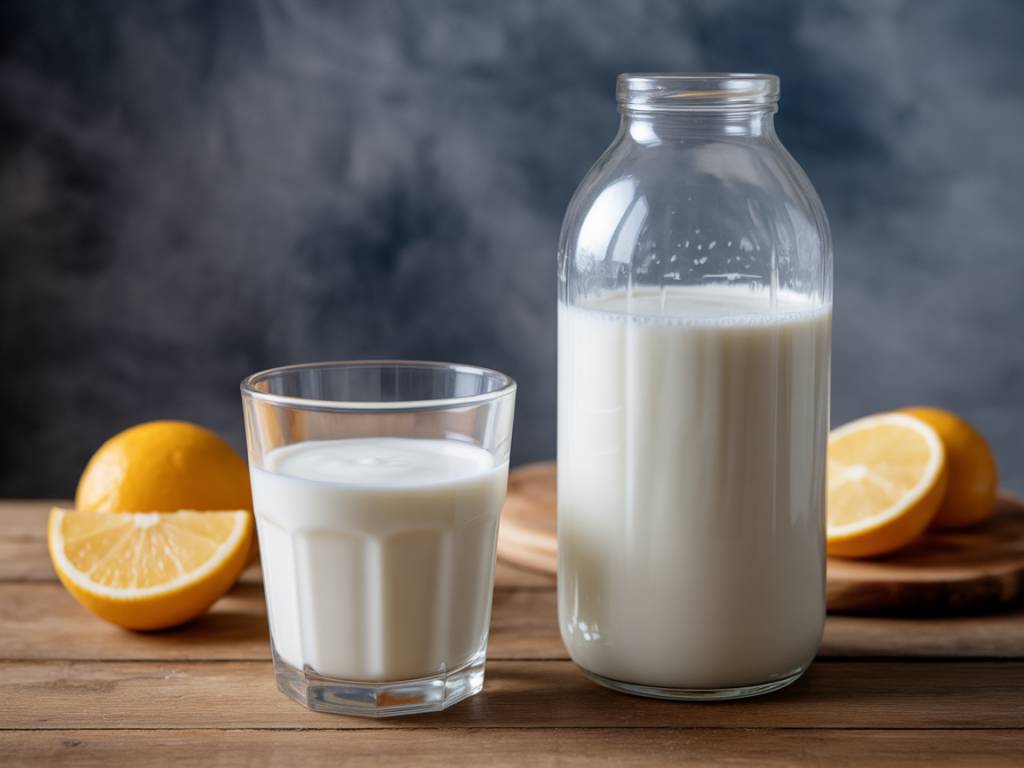
If you’ve ever stared at the dairy aisle wondering whether to grab 1% or whole milk, you’re not alone. For des­cades, we’ve been told that low-fat is the “healthy” choice. But is that still true? And how much does the fat content in milk really impact your health?

Let’s dig into what the science actually says about 1% vs whole milk, and how to choose the option that really fits your health goals.

What’s the real difference between 1% and whole milk?

First, some basics. The fat percentage on the label refers to the proportion of fat in the milk by weight:

  • Whole milk: about 3.25% fat
  • 1% milk: 1% fat (sometimes called “low-fat milk”)
  • That might sound like a tiny difference… until you look at calories and macros per cup (240 ml):

  • Whole milk (3.25% fat): ~150 calories, 8 g fat, 8 g protein, 12 g carbs (mostly lactose)
  • 1% milk: ~100 calories, 2.5 g fat, 8 g protein, 12 g carbs
  • So with 1% milk, you mainly cut calories and fat, but protein and carbs stay the same. The vitamins? That’s where it gets more interesting.

    Milk fat naturally carries fat-soluble vitamins like A, D, E, and K. In low-fat and skim versions, some of these vitamins are reduced when fat is removed. Most manufacturers then fortify low-fat milk with vitamins A and D to compensate. In practice, both 1% and whole milk can be good vitamin sources, but absorption of fat-soluble vitamins tends to be better when some fat is present.

    How does milk fat affect your heart?

    The classic argument against whole milk is its saturated fat content. Saturated fat has long been blamed for raising LDL (“bad”) cholesterol and increasing heart disease risk. That’s why official guidelines in many countries still recommend low-fat dairy.

    But research over the last 10–15 years has painted a more nuanced picture.

    Several large observational studies have found that dairy fat, including that from whole milk, does not seem to increase cardiovascular risk as much as once thought. Some research even shows a neutral or slightly protective association for full-fat dairy, especially fermented products like yogurt and cheese.

    So what’s going on?

  • Milk fat is not just “saturated fat” – it’s a complex mix of different fatty acids, some of which may have neutral or even beneficial effects.
  • Dairy foods also contain calcium, protein, and bioactive compounds that may counterbalance potential negative effects of saturated fat.
  • People who drink whole milk may have different lifestyles, diets, and activity levels, which can influence risk.
  • However, that doesn’t mean saturated fat is suddenly a health food. If your overall diet is already high in saturated fats (processed meats, fast food, pastries), swapping some of those for lower-fat dairy might still help your cholesterol profile.

    For someone with high LDL cholesterol, a strong family history of heart disease, or existing cardiovascular issues, sticking to 1% milk can be a reasonable, low-effort way to reduce overall saturated fat intake.

    What about weight loss and body composition?

    This is where things get counterintuitive. You might expect that lower-fat milk always leads to better weight loss. Fewer calories, less fat… simple, right?

    Not exactly.

    Some studies have found that people who consume full-fat dairy are not necessarily heavier and sometimes have a lower risk of obesity compared to people who choose low-fat dairy. How could that be?

  • Satiety: Fat helps keep you full. A glass of whole milk might reduce your hunger more than 1% milk, leading you to eat fewer snacks later.
  • Taste and satisfaction: If you enjoy the creaminess of whole milk, you may feel more satisfied with smaller amounts, instead of overcompensating with other foods.
  • Diet patterns: People choosing full-fat dairy may follow eating patterns (like less ultra-processed food, more whole foods) that support healthy weight, regardless of fat in dairy.
  • That said, calories still matter. For someone who drinks several glasses of milk per day, switching from whole to 1% can significantly reduce daily energy intake. Over weeks and months, that can absolutely show up on the scale.

    The key question is: does milk help you control your overall appetite and energy intake… or does it add “extra” calories on top of what you already eat?

    Blood sugar, insulin, and metabolic health

    Milk contains lactose, a natural sugar. In both 1% and whole milk, lactose content is similar – around 12 g per cup. Fat does not remove the sugar, but it can affect how quickly it’s absorbed.

    The fat in whole milk tends to slow gastric emptying and digestion. That can lead to a slightly more gradual rise in blood sugar and insulin compared to very low-fat options. For many people, this slower absorption may support more stable energy and reduced cravings.

    However, for individuals with type 2 diabetes, prediabetes, or insulin resistance, the overall carbohydrate content of milk matters more than small differences in fat percentage. In that case, the choice between 1% and whole is less critical than total quantity and timing, and sometimes lactose-free or higher-protein dairy (like Greek yogurt or cottage cheese) can be a better option.

    Hormones, satiety signals, and the “food matrix” effect

    One big reason we can’t just look at saturated fat in isolation: foods are more than the sum of their nutrients. This is sometimes called the “food matrix” concept.

    Whole milk delivers fat, protein, carbs, vitamins, minerals, and bioactive compounds in a structure that interacts with your digestive system and hormones in specific ways.

  • Protein and fat together stimulate hormones like cholecystokinin (CCK) and peptide YY (PYY), which send “I’m full” signals to your brain.
  • Calcium and certain dairy peptides may influence blood pressure and vascular health.
  • Milk fat contains specific fatty acids (like odd-chain saturated fats and certain trans-palmitoleic acids) that may be markers of better metabolic health in some studies.
  • While we shouldn’t treat any single food as magic, it’s fair to say that whole dairy behaves differently in the body than “fat plus sugar plus protein” on paper would suggest.

    Who does better with 1% milk?

    Even if whole milk is not the villain it was made out to be, 1% milk still has its place. It may be preferable for:

  • People with high LDL cholesterol or strong cardiovascular risk who are trying to reduce saturated fat intake.
  • Anyone drinking large amounts of milk daily (3–4+ glasses), where the extra calories from whole milk would add up quickly.
  • Individuals on strict calorie-controlled diets who appreciate volume and want to “save” calories for other foods.
  • Those who simply prefer the lighter taste and texture.
  • If your diet is already rich in healthy fats (olive oil, nuts, avocado, fatty fish), you might not benefit from adding extra saturated fat from whole milk on top of that. 1% milk can help you keep total fat intake in check while still getting protein, calcium, and vitamins.

    Who might benefit from whole milk?

    On the other hand, whole milk can be a smart choice for many people, especially when consumed in moderation and as part of an overall balanced diet.

  • Active individuals and athletes who need extra calories and stable energy throughout the day.
  • People with low appetite or those trying to gain weight healthily – whole milk is an easy way to increase energy intake with nutrients.
  • Children (depending on age and medical advice), who often need more fat for growth and brain development. Many guidelines recommend whole milk for young children up to a certain age.
  • People who feel more satiated and less prone to snacking when they consume some fat with their meals.
  • If a glass of whole milk with breakfast keeps you full for four hours, while 1% milk leaves you hungry after two, the “extra” calories in whole milk may actually support better overall dietary control.

    What about other dairy options?

    The discussion about 1% vs whole milk is just one part of the bigger dairy picture. You might also consider:

  • Greek yogurt: Higher in protein, very satiating, available in low-fat and full-fat versions. Often a better snack choice than milk alone.
  • Fermented dairy: Yogurt and kefir bring probiotics, which may benefit gut health and immunity.
  • Cheese: Often higher in fat and sodium, but very nutrient-dense. Best in moderate portions.
  • Plant-based alternatives: Soy, almond, oat, pea drinks, etc. These can be good options for people with lactose intolerance or ethical preferences, but they vary greatly in protein content, added sugars, and fortification.
  • If you’re lactose intolerant, your choice between 1% and whole dairy may be less relevant than your tolerance level. Lactose-free milks, fermented dairy, or non-dairy alternatives might be better suited – just pay attention to added sugar and calcium/vitamin D fortification.

    Practical tips to choose the right milk for you

    Instead of asking, “Which is healthier, 1% or whole?” it’s more useful to ask, “Which one better supports my current goals and context?” Here are some simple guidelines.

    If your priority is weight loss and calorie control:

  • 1% milk is often a good default, especially if you drink more than one glass per day.
  • Consider whether milk is a major source of calories in your diet; if yes, swapping to 1% can create a calorie deficit with minimal effort.
  • Pay attention to how satiated you feel. If 1% milk leaves you hungry and pushing you toward snacks, a small amount of whole milk might actually work better.
  • If your priority is metabolic health and cholesterol:

  • Evaluate your total saturated fat intake (meats, pastries, processed foods). If it’s high, 1% milk can help lower it.
  • If your overall diet is already quite wholesome and low in processed foods, a moderate amount of whole milk likely fits just fine.
  • Keep regular check-ups with blood tests; personalized data beats generic rules.
  • If your priority is performance, muscle gain, or recovery:

  • Whole milk can be a convenient, nutrient-dense calorie source, particularly post-workout when you need both carbs and protein (and some fat is not a problem).
  • Chocolate milk (often 1–2% fat) is popular as a recovery drink for a reason: it brings carbs, protein, fluids, and electrolytes in a practical format.
  • If your priority is overall quality of diet and enjoyment:

  • Choose the milk you actually enjoy and can sustain long term.
  • Focus on the “big rocks” first: plenty of vegetables, fruits, protein, whole grains, and healthy fats. Whether your milk is 1% or whole is a relatively small detail compared to those foundations.
  • So, does fat in milk really matter?

    Yes… but probably less than we were told in the 90s.

    The fat content in milk influences calorie density, satiety, and the balance of saturated fat in your diet. For some people, cutting fat with 1% milk helps reduce total calories and saturated fat. For others, the extra creaminess and satiety of whole milk supports better appetite control and enjoyment of food.

    What matters most is the context:

  • Your total diet (not just one food).
  • Your health markers (cholesterol, blood pressure, blood sugar, weight).
  • Your lifestyle and activity level.
  • Your preferences and relationship with food.
  • If you’re curious, you can run a simple experiment on yourself: spend two weeks with 1% milk, then two weeks with whole milk, keeping everything else broadly similar. Track your hunger, energy levels, digestion, and (if you like data) your weight and waist circumference. Your body will tell you more than any headline.

    In the end, both 1% and whole milk can fit into a healthy, performance-oriented lifestyle. The “best” choice isn’t the one that sounds most virtuous – it’s the one that aligns with your goals, your health, and how you feel day to day.

    Navigation de l’article

    Previous: 0 carb sweetener choices and what research says about their safety
    Next: 1 minute kiss burns how many calories and what it tells us about everyday activity

    Related Posts

    10 benefits of cantaloupe for hydration immune support and healthy skin

    10 benefits of cantaloupe for hydration immune support and healthy skin

    13 décembre 202513 décembre 2025 Paul
    0 carb drinks you can enjoy while cutting sugar and managing weight

    0 carb drinks you can enjoy while cutting sugar and managing weight

    13 décembre 202513 décembre 2025 Paul
    1 blueberries calories and the surprising nutrient power in a tiny serving

    1 blueberries calories and the surprising nutrient power in a tiny serving

    9 décembre 202513 décembre 2025 Paul

    Latest Articles

    • 10 benefits of cantaloupe for hydration immune support and healthy skin
    • 0 carb drinks you can enjoy while cutting sugar and managing weight
    • 10 benefits of snake plant for indoor air quality and better sleep
    • 1 blueberries calories and the surprising nutrient power in a tiny serving
    • Daily intake of milk and how it fits into a modern healthy eating pattern

    Categories

    • Health
    • Nutrition
    • Products
    • Sports

    Welcome to Nutrition-and-health.com – Your Guide to a Healthier You

    Hello and a warm welcome to Nutrition-and-health.com! As the editor of this site, I'm thrilled to have you join our community dedicated to exploring the vital connection between what we eat and how we live.

    In today's fast-paced world, navigating the vast amount of information on health and nutrition can be overwhelming. Our mission at Nutrition-and-health.com is to cut through the noise and provide you with clear, reliable, and actionable information to help you make informed choices for your well-being.

    What You'll Find on Nutrition-and-health.com:

    We've carefully curated our site to offer a comprehensive resource covering various aspects of nutrition and health:

    • Nutrition Insights: Dive into articles exploring the fundamentals of healthy eating, the importance of macronutrients and micronutrients, the benefits of different food groups, and practical tips for building balanced meals. We break down complex nutritional science into easy-to-understand language.
    • Health & Wellness: Discover content focused on overall health and well-being, including articles on fitness, mental health, sleep hygiene, stress management, and preventative care. We believe that good health encompasses more than just diet.
    • Healthy Recipes: Explore our collection of delicious and nutritious recipes designed to inspire healthy cooking at home. From quick weeknight meals to satisfying snacks, we offer options for various dietary needs and preferences.
    • Expert Advice: Benefit from insights and tips from our team of writers and contributors, including registered dietitians, nutritionists, and health professionals. We strive to bring you evidence-based information you can trust.
    • Practical Guides: Find helpful guides and resources on topics like meal planning, grocery shopping tips, understanding food labels, and making healthy choices when eating out. We aim to empower you with the tools you need to succeed.
    • Latest Research: Stay informed about the latest findings and trends in nutrition and health research. We'll keep you updated on important developments and their implications for your health.

    Why Choose Nutrition-and-health.com?

    • Reliable Information: Our content is thoroughly researched and based on credible scientific sources. We prioritize accuracy and strive to provide you with trustworthy information.
    • Easy to Understand: We believe that health information should be accessible to everyone. We present complex topics in a clear, concise, and engaging manner.
    • Actionable Advice: We go beyond just providing information. Our goal is to equip you with practical tips and strategies that you can easily incorporate into your daily life.
    • Your Partner in Health: We're here to support you on your journey to a healthier lifestyle. Whether you're looking to improve your diet, boost your energy levels, or simply learn more about nutrition 1 and health, we're here to guide you.

    We invite you to explore Nutrition-and-health.com, delve into the topics that interest you most, and make use of the wealth of information we have to offer. We are constantly updating our site with new content, so be sure to check back often!

    Thank you for visiting, and we hope you find our website a valuable resource on your path to a healthier and happier life.

    Copyright 2025 - © Nutrition-and-health.com : Your Guide to a Healthier You
    Go to mobile version