


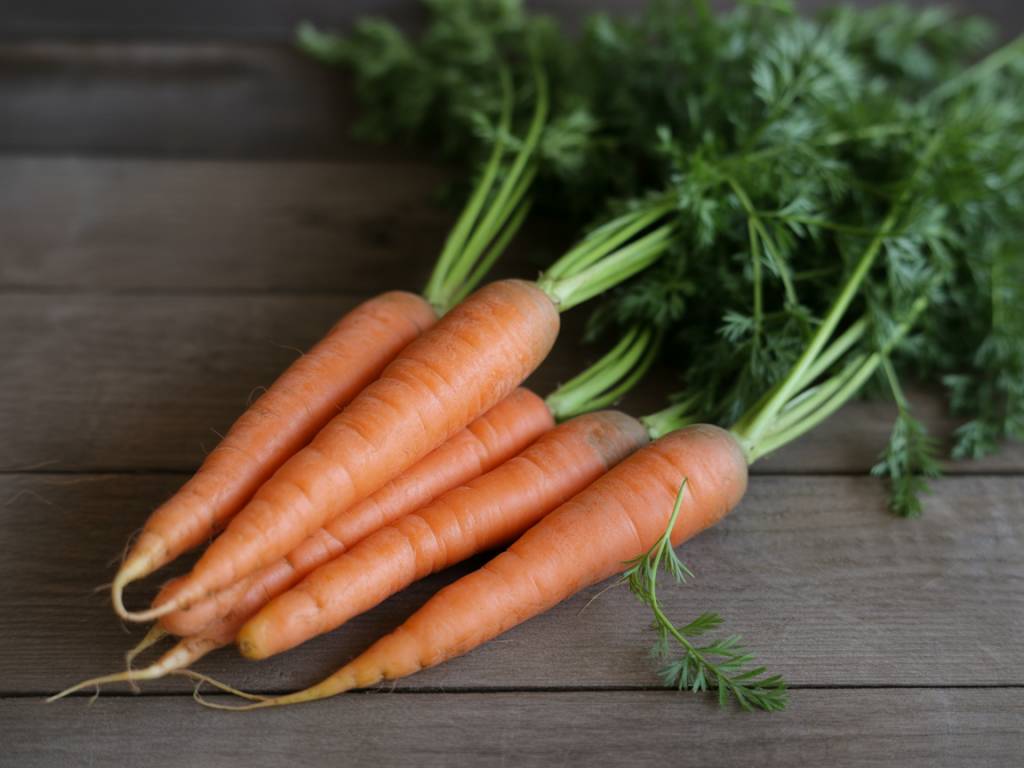
Crunchy, sweet, and easy to add to almost any dish, carrots are one of those foods we tend to take for granted. Yet behind their bright orange color hides a real nutritional powerhouse, especially for your eyes, your skin, and your defenses against oxidative stress.
Let’s dive into 10 science-backed benefits of carrots for vision, skin health, and antioxidant protection — and how to use them in your everyday routine.
Carrots and vision: more than just a myth
You’ve probably heard that carrots “are good for your eyes”. This isn’t just something parents say to make kids eat their veggies. There’s real science behind it.
Carrots are rich in beta-carotene, a precursor of vitamin A. Your body converts beta-carotene into vitamin A as needed. And vitamin A is essential for vision, particularly low-light vision.
Without enough vitamin A, the retina can’t function properly, which may lead to problems like night blindness. Historically, vitamin A deficiency has been one of the main causes of avoidable visual impairment in certain parts of the world.
Does eating carrots give you “super vision”? No. But they can help you maintain healthy eyesight and reduce the risk of deficiency, especially when integrated into a balanced diet.
Powerful ally against age-related eye diseases
Beyond basic vision, carrots may also help protect your eyes as you age. The carotenoids they contain (beta-carotene, lutein, and zeaxanthin) act as antioxidants in the eye, where they help neutralize free radicals generated by light and oxidative stress.
Why does this matter?
Oxidative damage in the retina is involved in age-related macular degeneration (AMD) and cataracts. Several studies have linked higher intakes of carotenoids to a lower risk of these conditions.
Carrots are not a magic shield against AMD, but they’re an excellent, accessible source of carotenoids that can contribute to long-term eye health when combined with:
- A diet rich in colorful vegetables and fruits
- Healthy fats (which improve carotenoid absorption)
- Good lifestyle habits (no smoking, regular physical activity, sun protection)
Natural support for glowing, healthy skin
Your skin is constantly exposed to environmental stress: UV rays, pollution, temperature changes… Over time, this oxidative stress contributes to premature skin aging (wrinkles, loss of elasticity, dull tone).
The beta-carotene in carrots is deposited in the skin, where it can help protect cells from free radical damage. In other words, carrots can act like a gentle internal “filter” that supports your skin’s resilience.
Interestingly, several studies have shown that a diet rich in carotenoid-containing foods (like carrots, sweet potatoes, and leafy greens) is associated with a more “healthy” and slightly golden skin tone, often perceived as more attractive than a tan obtained only from the sun.
Are carrots a replacement for sunscreen? Definitely not. But they are one more tool in your daily skin-health toolkit.
Antioxidant protection: more than just beta-carotene
Carrots are often reduced to “beta-carotene sticks”, but they actually contain a whole cocktail of antioxidants, including:
- Beta-carotene (vitamin A precursor)
- Alpha-carotene
- Lutein
- Zeaxanthin
- Polyphenols
These compounds help combat oxidative stress in the body. Oxidative stress is involved in many chronic processes: inflammation, cardiovascular disease, metabolic disorders, and of course, aging of tissues, including skin and eyes.
The key idea: no single antioxidant does everything. What matters is the synergy between the different molecules you get from a varied plant-based diet. Carrots are an easy and affordable piece of this puzzle.
Better skin barrier and hydration support
Vitamin A plays a central role in skin cell renewal. While high-dose supplements should be used with caution, food sources like carrots provide a safe, regulated way for your body to get what it needs.
By supporting cell turnover and maintaining the integrity of epithelial tissues (the tissues that form your skin and mucous membranes), adequate vitamin A intake can:
- Support a stronger skin barrier
- Help skin maintain moisture more effectively
- Assist in repair mechanisms after daily micro-aggressions (pollution, friction, mild UV exposure)
This doesn’t turn carrots into a cosmetic product, but they are clearly part of a lifestyle that supports healthy, resilient skin from the inside out.
Anti-inflammatory synergy with a balanced diet
Chronic low-grade inflammation is now recognized as a common denominator in many modern health problems: metabolic syndrome, cardiovascular disease, joint issues, and, again, accelerated aging.
Carrots bring two interesting levers here:
- Antioxidants that help limit oxidative stress, which fuels inflammation
- Fiber that supports a healthy gut microbiota, which in turn influences systemic inflammation
A diverse and balanced diet will always be the priority. But if you’re looking for simple, concrete actions to reduce inflammatory burden, adding carrots regularly to your meals is easy, cheap, and effective.
Low in calories, rich in satiety-friendly fiber
For those who want to manage their weight without counting every calorie, carrots can be very useful.
They have a low energy density: a fairly large volume for relatively few calories. At the same time, they are rich in fiber, especially when eaten raw or lightly cooked. This combination promotes satiety.
What does this look like in practice?
- A handful of raw carrot sticks as a snack instead of biscuits or candy
- Grated carrots added to salads or wraps to increase volume without exploding calories
- Carrots in soups or stews to make the dish more filling
The fiber in carrots also slows down the absorption of carbohydrates and may help regulate blood sugar levels, especially when combined with a meal that includes proteins and healthy fats.
Protective effect for the skin against UV-induced damage
Let’s be clear: carrots will not replace a broad-spectrum SPF and reasonable sun exposure habits. However, several studies suggest that beta-carotene and other carotenoids can:
- Increase the skin’s resistance to UV-induced erythema (the redness that precedes sunburn)
- Reduce oxidative damage following UV exposure
- Support long-term skin health when combined with external protection
This internal photo-protection effect is moderate and builds up gradually with regular carotenoid intake over weeks. You won’t get this protection from a single carrot eaten the day before the beach.
But in a lifestyle where you consume carrots and other colorful vegetables regularly, your skin may be better equipped to cope with daily, moderate sun exposure.
Support for immune function
Vision and skin are often in the spotlight when we talk about carrots, but vitamin A is also crucial for the immune system.
Vitamin A helps maintain the integrity of mucous membranes (in the nose, lungs, gut), which form one of the body’s first lines of defense against pathogens. It also plays a role in the differentiation and function of certain immune cells.
Carrots provide provitamin A in a form that the body can regulate. You convert only what you need, unlike high-dose preformed vitamin A supplements that can be toxic in excess.
Alongside other vitamin- and mineral-rich vegetables, carrots can thus contribute to a robust, well-regulated immune system, without any “miracle” claims.
Versatility: easy to integrate into every meal
Nutritional benefits are only useful if you actually eat the food regularly. That’s where carrots really shine: they’re extremely versatile.
Here are some simple, practical ways to get the most out of them for vision, skin, and antioxidant support:
- Raw sticks with healthy dips: hummus, yogurt-based sauces, guacamole. The fat content helps with carotenoid absorption.
- Grated carrot salads: with lemon, olive oil, a few seeds, and fresh herbs. Very quick to prepare.
- Oven-roasted carrots: tossed with olive oil, herbs, and a pinch of salt. Roasting enhances their natural sweetness.
- Soups and purees: carrot–ginger soup, carrot–lentil soup, or mixed vegetable purees.
- Smoothies and juices: in combination with orange, ginger, or apple. Prefer whole smoothies over juices for the fiber.
- Curries and stir-fries: sliced carrots pair well with coconut milk, spices, and legumes.
A practical tip: because carotenoids are fat-soluble, always try to combine carrots with a source of healthy fat (olive oil, avocado, nuts, seeds, fatty fish) to optimize absorption.
How many carrots should you eat, and are there any risks?
There’s no official “optimal dose” of carrots, but including them several times per week — or even daily — is perfectly reasonable for most people.
However, more is not always better. Eating very large amounts of carrots or carrot juice over a long period can lead to carotenodermia: a benign orange-yellow coloration of the skin, especially noticeable on the palms and soles. It’s not dangerous and is reversible when intake is reduced, but it’s a useful reminder that balance matters.
Some additional points to keep in mind:
- If you take certain medications or have specific conditions (e.g., fat-malabsorption issues), talk to your healthcare provider about vitamin A and carotenoid intake.
- Carrots are generally well tolerated, but very high fiber intake can cause digestive discomfort in some people. Increase gradually if you’re not used to eating many vegetables.
- For children, carrots are a great introduction to vegetables, but be careful with raw carrot sticks for younger kids due to choking risk — cook and mash or finely grate as needed.
Putting it all together: carrots as a daily wellness habit
To sum up the main benefits of carrots for vision, skin health, and antioxidant protection:
- They support normal vision and help prevent vitamin A deficiency.
- They provide carotenoids that may reduce risk of age-related eye diseases.
- They contribute to healthy, more resilient skin from the inside out.
- They offer a wide range of antioxidants that help fight oxidative stress.
- They support the skin barrier and cell renewal via vitamin A precursors.
- They fit into an anti-inflammatory, plant-rich eating pattern.
- They’re low in calories but high in fiber and satiety.
- They may help the skin cope better with everyday UV exposure (with sunscreen, not instead of it).
- They support immune function through their role in mucosal and skin integrity.
- They’re versatile, affordable, and easy to integrate into almost any meal.
If you’re looking for a simple, concrete step to support your eyes, your skin, and your body’s antioxidant defenses, adding carrots regularly is a great place to start. No need for complex protocols: a grated carrot salad at lunch, a handful of sticks with hummus as a snack, or roasted carrots with dinner can already make a meaningful difference over time.
Your future self — with sharp eyesight and healthy skin — might quietly thank you for every crunchy bite.