


CBD has gone from niche supplement to wellness superstar in just a few years. Oils, gummies, creams, capsules… it’s everywhere. But beyond the hype, what do current studies actually say? Are there real, measurable benefits, or just clever marketing?
In this article, we’ll dive into 10 potential benefits of CBD that scientific research is beginning to clarify. We’ll stay as close as possible to the evidence, without promising miracles. Think of it as a guided tour of what CBD may (and may not) do for your health.
Important note: CBD is not a magic cure. It can interact with medications and isn’t suitable for everyone. Always talk to your doctor before starting any new supplement, especially if you’re on regular treatment or have a medical condition.
What exactly is CBD?
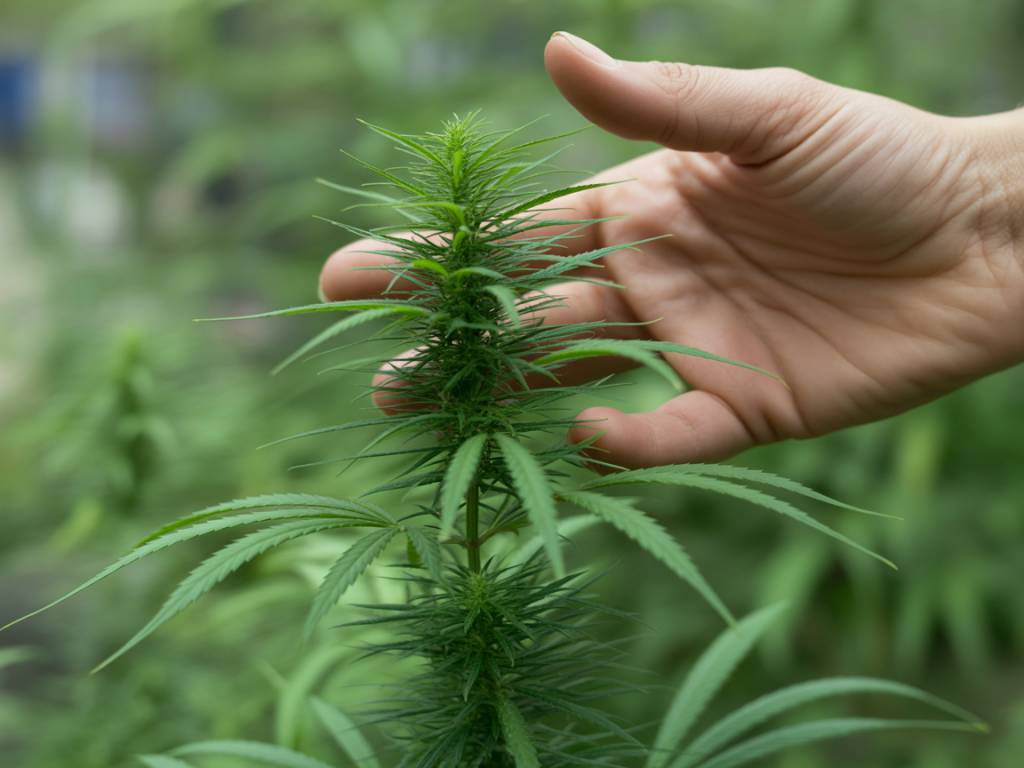
CBD, short for cannabidiol, is a compound found in the cannabis plant. Unlike THC (tetrahydrocannabinol), CBD is non-psychoactive – it won’t get you “high”.
CBD interacts with your body’s endocannabinoid system (ECS), a network involved in regulating mood, pain, sleep, appetite, and inflammation. Instead of directly “switching things on and off”, CBD seems to modulate how this system works, a bit like a sound engineer adjusting levels rather than playing the music.
Now, let’s look at the benefits current research is beginning to reveal.
CBD and anxiety relief
One of the most talked-about uses of CBD is for managing anxiety. And here, research is starting to back up the anecdotes.
Several human studies suggest that CBD may help reduce:
-
Generalized anxiety – Some trials have found that moderate doses of CBD were associated with reduced anxiety in people with generalized anxiety symptoms.
-
Social anxiety – In one well-known study, people with social anxiety disorder who took CBD before a public speaking test reported less anxiety and discomfort than those who took a placebo.
-
Sleep-related anxiety – Early evidence suggests CBD may help those whose anxious thoughts keep them awake at night (more on sleep in a moment).
The mechanism is still being explored, but CBD seems to influence serotonin receptors in the brain, similar to some antidepressant and anti-anxiety drugs – though its effects are milder and more complex.
Takeaway: If your stress levels are constantly high or social situations feel overwhelming, CBD could be a helpful tool to discuss with your healthcare provider, especially combined with lifestyle changes like exercise and breathing techniques.
CBD for better sleep quality
Sleep problems are often tied to stress, pain, or racing thoughts – three areas where CBD may offer support.
Current research suggests CBD may:
-
Improve sleep onset – Some people report falling asleep faster when using CBD, likely thanks to reduced anxiety and mental hyperactivity.
-
Enhance sleep quality – Preliminary studies have found that CBD can improve subjective sleep scores in people with anxiety or chronic pain.
-
Stabilize sleep-wake cycles – At lower doses, CBD might even promote alertness during the day, which can indirectly improve nighttime sleep.
However, research is still in its early stages, and results vary depending on the dose. Lower doses can be slightly stimulating; higher doses tend to be more sedating.
Practical tip: If you try CBD for sleep, don’t start the first time the night before an important meeting. Test your dose on a quiet evening to see how your body responds.
Pain management: CBD and chronic pain
Pain relief is another major area of interest. While many claims online are exaggerated, there is evidence that CBD may help with certain types of chronic pain, especially when combined with THC in medical settings.
Research suggests CBD may:
-
Reduce inflammatory pain – CBD appears to interact with receptors involved in inflammation, which may ease pain caused by conditions like arthritis.
-
Modulate neuropathic pain – Nerve-related pain (burning, tingling, electric shocks) is notoriously difficult to treat; some early studies show CBD-based therapies may provide modest relief.
-
Enhance pain tolerance – By interacting with the ECS and serotonin pathways, CBD may change how the brain perceives pain signals.
Many studies on pain involve CBD combined with THC, so it’s not always easy to separate their effects. Still, CBD-only preparations are increasingly studied for arthritis, back pain, and post-exercise soreness.
Note: If you’re dealing with severe or unexplained pain, CBD should not replace a full medical evaluation. It’s a potential complement, not a diagnosis.
Anti-inflammatory potential
Chronic, low-grade inflammation is linked to a long list of health issues: cardiovascular disease, metabolic disorders, joint problems, and even mood disturbances.
CBD shows promising anti-inflammatory properties in cell and animal studies, including:
-
Reducing the activity of certain pro-inflammatory molecules (like cytokines).
-
Modulating immune cell responses in ways that may reduce excessive inflammation.
-
Supporting a better balance in the immune system, especially in states of overreaction.
While this is exciting, we’re still missing large, long-term human trials for most inflammatory conditions. However, many people with inflammatory joint diseases, autoimmune issues, or exercise-induced inflammation use CBD as part of a broader strategy that includes nutrition, sleep, and physical activity.
Support for athletes and active people
From elite fighters to weekend runners, CBD has entered the sports world – not as a performance enhancer in the traditional sense, but as a tool for recovery and stress management.
Potential benefits for athletes include:
-
Reduced perception of muscle soreness – Some users report less post-workout discomfort when using CBD oils or topicals, likely due to its anti-inflammatory and analgesic effects.
-
Improved sleep – Better sleep means better recovery, more growth hormone release, and improved performance over time.
-
Stress and focus – CBD might help athletes stay calmer before competition and more focused under pressure, although this is mostly supported by anecdotal data and small studies on anxiety.
The World Anti-Doping Agency (WADA) removed CBD from its list of banned substances, but THC is still prohibited in competition. That’s why choosing a product with verified low or zero THC is crucial for tested athletes.
CBD and epilepsy: one of the most solid benefits
Among all areas of CBD research, epilepsy is where the evidence is strongest.
A purified CBD-based medication has been approved in several countries for treating specific forms of severe childhood epilepsy, such as Dravet syndrome and Lennox–Gastaut syndrome. Clinical trials have shown:
-
Significant reductions in seizure frequency for many patients.
-
Improved quality of life for some families living with drug-resistant epilepsy.
This doesn’t mean CBD will help all types of epilepsy, nor that over-the-counter oils are equivalent to prescription-grade formulations. Doses used in clinical trials are much higher and strictly controlled.
Still, this is one of the clearest examples where CBD has gone from promising molecule to validated treatment.
Neuroprotection and brain health
Could CBD be good for long-term brain health? Early research on animals and cells suggests CBD may have neuroprotective properties:
-
It may help reduce oxidative stress and inflammation in brain tissue.
-
It might support the survival of neurons in conditions of injury or disease.
-
It appears to interact with receptors involved in learning, memory, and mood.
Scientists are currently exploring CBD’s potential role in conditions like Alzheimer’s disease, Parkinson’s disease, and multiple sclerosis. Some early-phase studies suggest benefits in symptoms like spasticity or sleep, especially when CBD is combined with THC in medical formulations.
However, we’re still far from being able to say that CBD “protects the brain” in humans in a clinically meaningful way. For now, the best brain-protective tools remain well-known: regular exercise, good sleep, a nutrient-dense diet, social connection, and cognitive stimulation.
Skin health: acne, irritation, and beyond
CBD has also made its way into the world of cosmetics and skincare – creams, serums, balms, you name it. Is this just marketing, or is there something to it?
Research suggests CBD may help the skin by:
-
Reducing sebum production – In lab studies, CBD helped regulate the activity of sebaceous glands, which could be beneficial for acne-prone skin.
-
Calming inflammation – Its anti-inflammatory properties may help soothe redness, irritation, and flare-ups.
-
Acting as an antioxidant – CBD may help neutralize free radicals, a factor in skin aging.
Topical CBD is being investigated for conditions like eczema, psoriasis, and acne, but results are still preliminary.
Tip for real life: If you have persistent or severe skin issues, see a dermatologist first. CBD cream may be a nice add-on, but it should not replace medical treatment when needed.
Mood, depression, and emotional balance
We’ve talked about anxiety, but what about depression and mood disorders?
Animal studies show antidepressant-like effects of CBD, and early human research suggests it may help with mood regulation, especially when anxiety and depression overlap.
Possible mechanisms include:
-
Modulation of serotonin receptors, which are central to mood regulation.
-
Influence on the brain’s response to stress.
-
Indirect effects through improved sleep and reduced inflammation.
However, depression is complex, with biological, psychological, and social dimensions. CBD is not a replacement for therapy, healthy habits, or prescribed medication. It may, in some cases, act as a complementary tool to support overall emotional balance.
If you’re experiencing persistent low mood, loss of interest, or thoughts of self-harm, it’s essential to seek professional help. Self-medicating with CBD or any supplement is not enough.
CBD and addiction: support during withdrawal
Another emerging area of research: CBD’s potential role in addiction and substance use disorders.
Preliminary studies suggest CBD may:
-
Reduce craving and anxiety in people trying to quit certain substances (such as nicotine or opioids).
-
Modulate brain circuits involved in reward and relapse.
-
Help manage some withdrawal-related symptoms, like irritability or sleep problems.
These findings are still early, and most studies use controlled, high-quality CBD under medical supervision. But they open interesting perspectives for integrating CBD into broader addiction treatment strategies, alongside therapy, social support, and medical care.
How to use CBD safely and effectively
Feeling tempted to try CBD after reading all this? Before you rush to order the first bottle you see on social media, a few key guidelines:
-
Talk to your doctor first, especially if you:
-
Take prescription medications (CBD can affect how the liver processes certain drugs).
-
Have liver disease, are pregnant, or breastfeeding.
-
Have a history of serious mental health issues.
-
-
Start low, go slow – Begin with a small dose and increase gradually over several days or weeks until you notice an effect or reach the maximum recommended dose on the label.
-
Choose quality products – Look for:
-
Third-party lab testing (with accessible certificates of analysis).
-
Clear information on CBD content per dose.
-
Low or zero THC if you want to avoid psychoactive effects or drug test issues.
-
-
Monitor your response – Keep a simple journal tracking your sleep, mood, pain, or stress levels when starting CBD. This makes it easier to tell whether it’s actually doing anything for you.
Common side effects of CBD (usually at higher doses) can include fatigue, digestive discomfort, dry mouth, and changes in appetite. If anything feels off, reduce the dose or stop and talk to a health professional.
The bottom line: where CBD fits in a healthy lifestyle
Current studies paint an interesting picture of CBD: not as a miracle cure-all, but as a promising, multi-target tool that may support:
-
Anxiety and stress management
-
Sleep quality
-
Certain types of pain and inflammation
-
Seizure control in specific epileptic syndromes
-
Recovery and balance for active people
-
Skin health and local inflammation
-
Mood regulation and emotional resilience
-
Brain health (still under investigation)
-
Addiction recovery support (early-stage research)
-
Overall stress resilience through effects on the endocannabinoid system
But even the most interesting supplement remains just that: a supplement. The foundations of health don’t change – a nutrient-dense diet, regular movement, high-quality sleep, meaningful relationships, and effective stress management strategies.
CBD may help nudge the dial in the right direction in some of these areas. Used thoughtfully, with medical guidance and realistic expectations, it can become one more tool in your health and performance toolkit – not the entire toolkit.