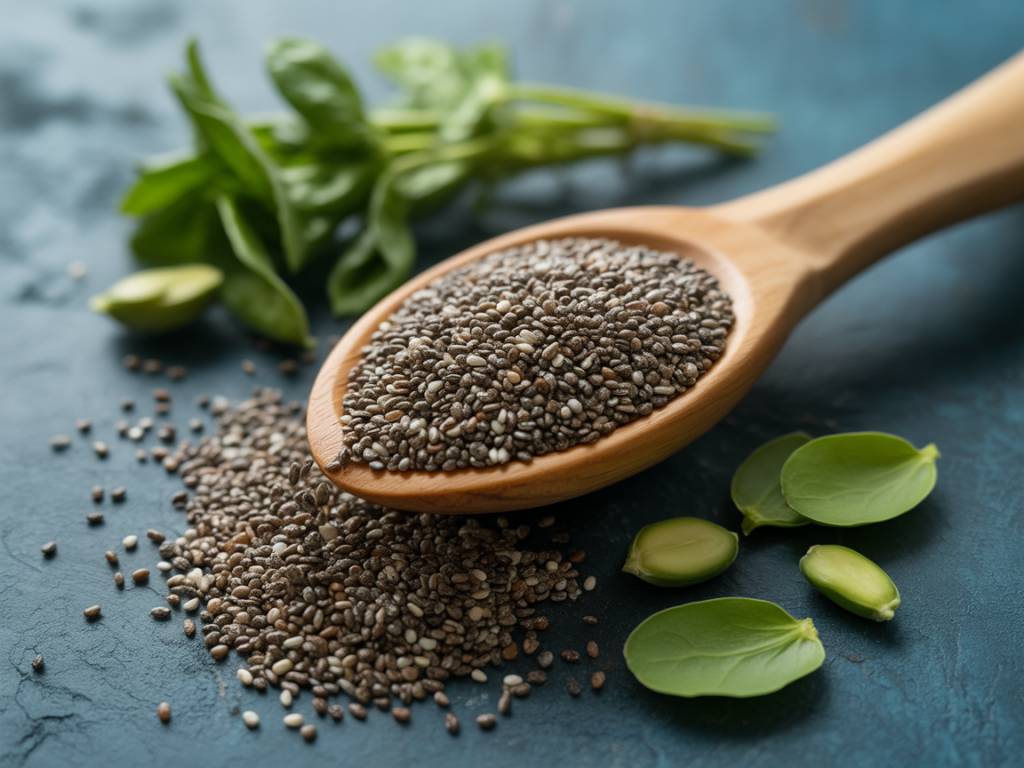
Few foods tick as many health boxes as chia seeds. These tiny black or white seeds look harmless, almost boring… until you actually start using them. Rich in fiber, omega‑3s, high-quality protein, minerals and antioxidants, chia seeds can support your heart, your gut, and your energy levels in surprisingly powerful ways.
In this article, we’ll dive into 10 science-backed benefits of chia seeds for heart health, digestion, and stable energy — plus how to actually use them in everyday life (without turning everything into bird food).
What Makes Chia Seeds So Special?
Before we get into the benefits, it’s worth understanding why chia seeds are so nutrient-dense.
Per 2 tablespoons (about 28 g), chia seeds provide roughly:
They’re also naturally gluten-free, plant-based, and incredibly easy to add to meals. Now, let’s see how this nutrient cocktail translates into real benefits for your heart, gut and energy.
Benefit #1: A Plant-Based Boost of Heart-Friendly Omega‑3s
Chia seeds are one of the richest plant sources of omega‑3 fatty acids, particularly alpha-linolenic acid (ALA). Omega‑3s are known for their protective role in cardiovascular health.
Research links higher ALA intake to a lower risk of heart disease, partly because omega‑3s help:
While ALA is not the same as the EPA and DHA found in fatty fish, it still contributes to better heart health — and for people who rarely eat fish, chia seeds can make a real difference.
Practical tip: Aim for 1–2 tablespoons of chia seeds a day if you’re using them as part of your omega‑3 strategy, especially if you eat little or no fish.
Benefit #2: Helping to Improve Cholesterol Levels
Chia’s combination of fiber, omega‑3s and antioxidants may help improve your blood lipid profile — a key factor in heart health.
Studies suggest that regular chia consumption can:
How? The soluble fiber in chia forms a gel in the digestive tract. This gel can bind some dietary cholesterol and bile acids, helping your body excrete them rather than reabsorb them. Over time, this may translate into healthier blood fat levels.
How to use it: Stir chia into plain yogurt with some berries. The combination of fiber, antioxidants and healthy fats makes a simple “cholesterol-friendly” snack.
Benefit #3: Supporting Healthy Blood Pressure
High blood pressure quietly damages arteries over time and is a major driver of heart disease. Chia seeds can support healthy blood pressure in a few ways.
First, the omega‑3 fats may improve endothelial function (how well your blood vessels relax and contract). Second, chia seeds provide minerals involved in blood pressure regulation, such as:
Some studies on chia flour have shown modest reductions in blood pressure in hypertensive individuals when chia is consumed regularly as part of an overall healthy diet.
Important note: Chia seeds are not a replacement for medication, but they can be a smart addition to a heart-supportive lifestyle: more plants, less ultra-processed food, regular movement, and good sleep.
Benefit #4: Fiber Power for a Happier, Healthier Gut
If your digestion is sluggish, chia’s fiber content can feel like a small miracle. Around 85–90% of the carbs in chia are actually fiber, making it one of the most fiber-dense foods you can easily add to your plate.
Fiber supports gut health by:
When you add liquid to chia seeds, they absorb up to 10–12 times their weight and form a gel. This gel travels through your intestine, gently stimulating movement and supporting regular bowel habits — without harsh laxative effects.
Tip for sensitive guts: If you’re not used to eating much fiber, start with 1 teaspoon a day and gradually increase. Jumping straight to 2 tablespoons can cause bloating in some people.
Benefit #5: Nourishing Your Microbiome
A healthy gut is not just about “going to the bathroom regularly”. Your microbiome — the trillions of bacteria in your digestive tract — plays a role in immunity, mood, inflammation and even metabolic health.
Chia’s fiber acts as a prebiotic, feeding beneficial bacteria that produce short-chain fatty acids like butyrate. These compounds:
In simple terms: chia helps create a more hospitable environment for “good bugs” to thrive. And when your gut bugs are happy, a lot of other things start to work better.
How to integrate: Add chia to smoothies, oatmeal or overnight oats to gently increase your daily prebiotic intake. Combine with other fiber-rich foods like oats, fruit, and nuts for a microbiome-friendly breakfast.
Benefit #6: Slower Digestion for Steadier Energy
Ever had a sugary breakfast and felt exhausted two hours later? That’s the blood sugar roller coaster in action. Chia seeds can help smooth that ride.
The gel-forming fiber in chia slows down the digestion and absorption of carbohydrates. This leads to:
This effect is especially useful if you tend to get “hangry” between meals or feel sleepy after eating. Adding chia to a meal rich in carbs (like a bowl of cereal, a smoothie, or even a slice of toast) can make that energy last longer.
Easy idea: Sprinkle 1 tablespoon of chia on your breakfast cereal or mix it into peanut butter before spreading it on toast. Minimal effort, meaningful impact.
Benefit #7: A Simple Ally for Blood Sugar Balance
For people concerned about insulin resistance, prediabetes or type 2 diabetes, the effect of chia on post-meal blood sugar is particularly interesting.
Studies have found that chia seeds, when added to carbohydrate-rich foods, can reduce postprandial (after-meal) blood glucose spikes. The mechanisms include:
Of course, chia seeds alone won’t “fix” a poor diet, but as part of an overall blood sugar-friendly pattern — more whole foods, fewer refined sugars and ultra-processed products — they are a practical and tasty tool.
Try this: Make a chia pudding using unsweetened plant milk, a small amount of fruit, and maybe a touch of cinnamon. It’s a dessert that doesn’t send your glucose skyrocketing.
Benefit #8: Long-Lasting Energy for Sports and Busy Days
Chia seeds have a history with endurance: ancient Aztec and Mayan warriors reportedly consumed chia for stamina during long journeys. While we don’t have randomized controlled trials on Aztec runners, what we do have makes sense from a modern sports nutrition perspective.
Chia offers:
For athletes or active people, chia can help maintain energy levels during long workouts, especially when combined with another carbohydrate source like fruit or oats.
Pre-workout idea: About 60–90 minutes before training, try a small chia-oat bowl: oats, plant milk, 1 tablespoon chia, a banana, and a few nuts. Easy to digest, yet steady in terms of energy release.
Benefit #9: Plant Protein and Satiety for Weight Management
One of the underrated perks of chia is how filling it is. Between the fiber, the protein and the way it absorbs water, chia can significantly increase the volume of a meal without adding excessive calories.
This is helpful if you’re trying to manage weight without feeling constantly hungry. Chia helps you:
Several studies report that meals containing chia increase satiety and may modestly reduce calorie intake later in the day.
Simple swap: Instead of sugary granola bars, prepare your own “energy bites” with oats, chia seeds, nut butter and a little honey. Better nutrients, better appetite control.
Benefit #10: Antioxidant Support for Heart and Gut
Chia seeds are also rich in antioxidants like chlorogenic acid, caffeic acid, quercetin and kaempferol. These compounds help neutralize free radicals, which can otherwise damage cells and contribute to chronic diseases.
For the heart, antioxidants help protect blood vessels and may reduce oxidative stress involved in atherosclerosis. For the gut, they may support a less inflammatory environment, potentially beneficial in conditions linked to chronic low-grade inflammation.
Another bonus: these antioxidants help protect chia’s delicate fats from going rancid, which is one reason why chia seeds have a surprisingly long shelf life compared to other high-fat foods.
Practical storage tip: Keep chia seeds in a sealed container, away from heat and light. They can last months, even years, without losing their benefits.
How Much Chia Should You Eat — and How?
For most people, 1–2 tablespoons (about 10–20 g) per day is a practical, safe and effective range. If your current fiber intake is low, increase gradually and drink enough water to avoid digestive discomfort.
Here are easy ways to add chia to your routine:
Hydration reminder: Because chia absorbs so much water, it’s best not to eat large amounts of dry chia on its own. Either hydrate it first (as a gel or pudding) or consume it with a good amount of liquid.
Who Should Be Cautious with Chia Seeds?
Chia seeds are safe for most people, but a few situations call for extra attention:
As always, chia seeds are a tool, not a magic solution. They work best as part of a balanced pattern: plenty of plants, good sleep, regular movement, and careful attention to stress management.
Putting It All Together in Your Daily Life
Chia seeds might be tiny, but their impact on heart health, gut health and energy is far from small. To recap, adding a modest daily dose can help you:
You don’t need complicated recipes or exotic ingredients. Start with one habit: a spoonful of chia in your breakfast or snack. Pay attention to how your energy, appetite and digestion feel over a couple of weeks.
Sometimes, the most effective nutrition upgrades are also the simplest — and chia seeds are a perfect example of that.


