Why green vegetables deserve a daily spot on your plate
Walk into any supermarket and you’ll see them: spinach, broccoli, kale, green beans, lettuce, peas… We all know they’re “good for us”, but how exactly do they support immunity, digestion and disease prevention?
As someone who spends a lot of time digging into nutrition research and testing things in real life, I can tell you this: green vegetables are one of the easiest “wins” you can add to your routine. No extreme diet. No complicated supplements. Just smart, consistent choices.
Let’s explore 10 powerful benefits of green vegetables, and how to turn them into simple daily habits.
They flood your body with immune-supporting vitamins
If you want a solid immune system, green vegetables are non‑negotiable. Most of them are packed with vitamins that act like “fuel” for your immune cells.
The big players:
- Vitamin C (broccoli, kale, Brussels sprouts, cabbage, green peppers): supports white blood cells and helps them work more efficiently.
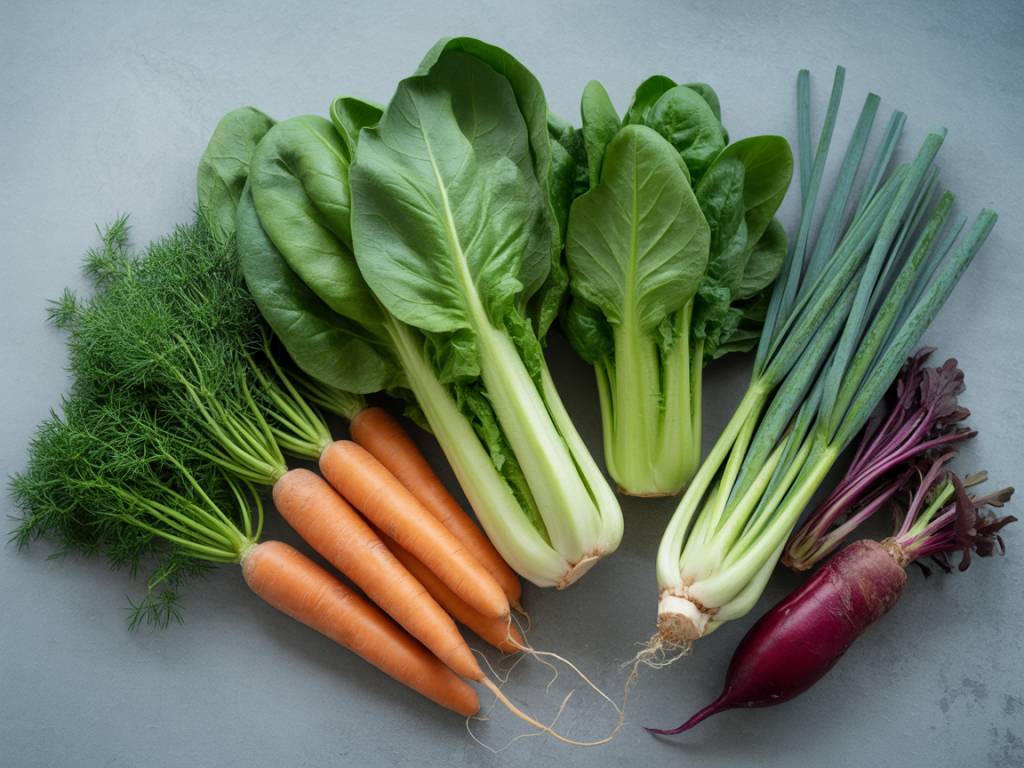
- Vitamin A (spinach, kale, Swiss chard): often present as beta‑carotene, it keeps your skin and mucous membranes strong — your first line of defense against viruses and bacteria.
- Vitamin E (spinach, beet greens, turnip greens): a powerful antioxidant that protects immune cells from damage.
Think of it this way: every time you add a handful of spinach to an omelet or throw some broccoli into a stir‑fry, you’re quietly “funding” your immune system.
They feed your gut microbiome and improve digestion
Good digestion is not just about feeling light after a meal. It is also about absorbing nutrients efficiently and maintaining a balanced gut microbiome – the trillions of bacteria living in your digestive tract.
Green vegetables help on several levels:
- Insoluble fiber (lettuce, cabbage, green beans) adds bulk to your stool and helps prevent constipation.
- Soluble fiber (peas, Brussels sprouts, broccoli) forms a gel in the gut that feeds beneficial bacteria.
- Prebiotics in certain greens help your “good” bacteria thrive, which in turn supports immunity and mood.
If you regularly feel bloated or sluggish after meals, try this simple experiment: for one week, add at least one cup of cooked green vegetables to lunch and dinner. Many people are surprised by how quickly their digestion calms down.
They help your body manage inflammation
Chronic, low‑grade inflammation is linked to many modern diseases: heart disease, diabetes, certain cancers, even depression. One of the best long‑term strategies to manage it? A diet rich in colorful vegetables, especially leafy greens.
Green vegetables provide:
- Antioxidants such as lutein, zeaxanthin, and beta‑carotene, which neutralize free radicals.
- Polyphenols (in spinach, kale, arugula) that help modulate inflammatory pathways in the body.
- Magnesium, a mineral that plays a role in hundreds of reactions, including those related to inflammation and stress.
Picture your daily portion of greens as a small, consistent “anti‑inflammatory investment” for your future health. You may not feel the effect after one salad, but over months and years, the difference can be huge.
They support long‑term disease prevention
Studies repeatedly show that people who eat more vegetables — especially green leafy ones — have a lower risk of chronic diseases. No miracle food, just a powerful pattern.
Some examples:
- Cardiovascular health: Greens are low in calories and sodium, but rich in potassium, folate and nitrates that can help support healthy blood pressure and blood vessel function.
- Type 2 diabetes: The fiber in green vegetables slows down carbohydrate absorption and improves insulin sensitivity.
- Certain cancers: Cruciferous vegetables (broccoli, kale, Brussels sprouts, bok choy) contain compounds like sulforaphane and indole‑3‑carbinol that have been studied for their potential role in cancer protection.
You do not need to obsess over every single nutrient. Focus instead on a simple question: “Where are the greens on my plate today?” If the answer is “nowhere” most days, that is the first thing to fix.
They help your liver detox more efficiently
The word “detox” is often misused in marketing, but your liver really does work 24/7 to process toxins, hormones and metabolic waste. Green vegetables, especially the cruciferous family, provide what your liver needs to work at its best.
Broccoli, cauliflower, kale, cabbage and Brussels sprouts contain compounds that support the liver’s natural detoxification pathways. They help convert potentially harmful substances into forms that can be eliminated through urine or bile.
No juice cleanse required. A simple plate with broccoli, a few Brussels sprouts and some leafy greens regularly does far more for your liver than a weekend of extreme “detox” products.
They keep your gut barrier strong and resilient
Your intestinal barrier is like a high‑tech security gate: it allows nutrients in but keeps harmful substances out. When it is irritated or weakened, you can experience digestive discomfort, food sensitivities and higher inflammation.
Green vegetables reinforce this barrier in several ways:
- Fiber supports the mucus layer that protects your intestinal walls.
- Short‑chain fatty acids (SCFAs) are produced when your gut bacteria ferment plant fibers; SCFAs help nourish colon cells.
- Phytonutrients in greens help calm low‑grade inflammation in the gut lining.
If you are working on improving your digestion or immunity, think of greens as daily building blocks for a healthier, more resilient gut.
They help regulate blood sugar and reduce cravings
Energy crashes in the afternoon, strong sugar cravings after meals, difficulty managing appetite — these are often linked to imbalanced blood sugar. Green vegetables are a powerful ally here.
Here is why:
- High fiber, low sugar: they slow down the absorption of carbs when eaten with starchy foods (like rice, pasta or bread).
- Increased satiety: a voluminous, fiber‑rich plate tells your brain that you have eaten enough.
- Reduced caloric density: you can eat large portions of greens for very few calories, which helps manage total energy intake without feeling deprived.
Practical example: if you usually eat pasta with a little side of salad, invert the proportions. Make half the plate green vegetables (broccoli, zucchini, spinach), one quarter pasta, one quarter protein. Many people notice that their cravings drop within a few days.
They protect your eyes, skin and bones
Immunity and digestion are not the only domains that benefit from greens. They also play a big role in protecting your eyes, skin and bones.
- Eye health: spinach, kale and collard greens are rich in lutein and zeaxanthin, antioxidants that concentrate in the retina and help protect against age‑related eye issues.
- Skin health: vitamins A and C support collagen production and help defend your skin against oxidative stress from pollution and UV rays.
- Bone health: many leafy greens (kale, collards, bok choy, turnip greens) provide calcium, vitamin K and magnesium, a trio essential for strong bones.
If you spend a lot of time on screens, train outdoors or want to age with strong bones, your daily serving of greens is like a simple, natural “insurance policy”.
They support healthy weight management without frustration
Trying to lose fat or maintain a healthy weight often fails because diets rely on restriction instead of addition. Green vegetables flip this logic: you add more of them, and naturally eat less of the calorie‑dense stuff.
Here is how greens help with weight management:
- High volume, low calories: you can fill half your plate with vegetables and still keep calories in check.
- Improved satiety: the combination of fiber and chewing time sends strong “I am full” signals to your brain.
- Better hormonal balance: stable blood sugar and reduced inflammation make it easier for your body to regulate hunger hormones like leptin and ghrelin.
Instead of counting every calorie, start by asking: “How can I add an extra serving of green vegetables to this meal?” Over time, this simple habit can reshape your diet and your body composition.
They are incredibly versatile and easy to integrate daily
All these benefits are great, but they only matter if you actually eat greens consistently. The good news: they are one of the most versatile food groups. You do not need complex recipes or chef‑level skills.
Here are some simple ways to eat more green vegetables every day:
- At breakfast: add a handful of spinach to scrambled eggs, mix grated zucchini into an omelet, or blend kale into a smoothie with berries and a scoop of protein.
- At lunch: build your plate around a big salad (not just lettuce — add beans, peas, broccoli, avocado, seeds). Or reheat leftover green vegetables from dinner and add a protein source.
- At dinner: roast a tray of broccoli, Brussels sprouts and green beans with olive oil, garlic and herbs; sauté spinach with garlic; steam green peas as an easy side.
- As snacks: crunchy cucumber slices, celery sticks with hummus, cold green beans with a drizzle of olive oil and lemon.
If you struggle with the taste, start small and “hide” them: mix finely chopped spinach into sauces, curries or stews; add shredded cabbage to tacos; throw extra greens into pasta dishes or fried rice.
How to put all this into practice starting this week
You do not need a perfect diet. You need a few solid, repeatable habits. Here is a simple framework you can use:
- Set a target: aim for at least two generous servings of green vegetables per day (about two cups cooked or three cups raw).
- Choose your “default” greens: pick 3–4 that you enjoy and can find easily (for example: spinach, broccoli, green beans, peas).
- Make them visible: keep frozen greens in your freezer and fresh ones at eye level in the fridge so you do not forget them.
- Attach them to existing meals: “Every time I eat pasta, I add a big portion of green vegetables.” “Every omelet gets a handful of spinach.”
- Prep once, eat often: roast a big tray of mixed greens or steam a large batch of broccoli at the start of the week and reuse them in different meals.
The goal is not perfection but consistency. Over time, your immune system, digestion and overall health will reflect these small, repeated choices.
Add an extra serving of green vegetables to your next meal and observe: how does your body feel after a week? Sometimes, the most powerful “health hacks” are the simplest ones.


