
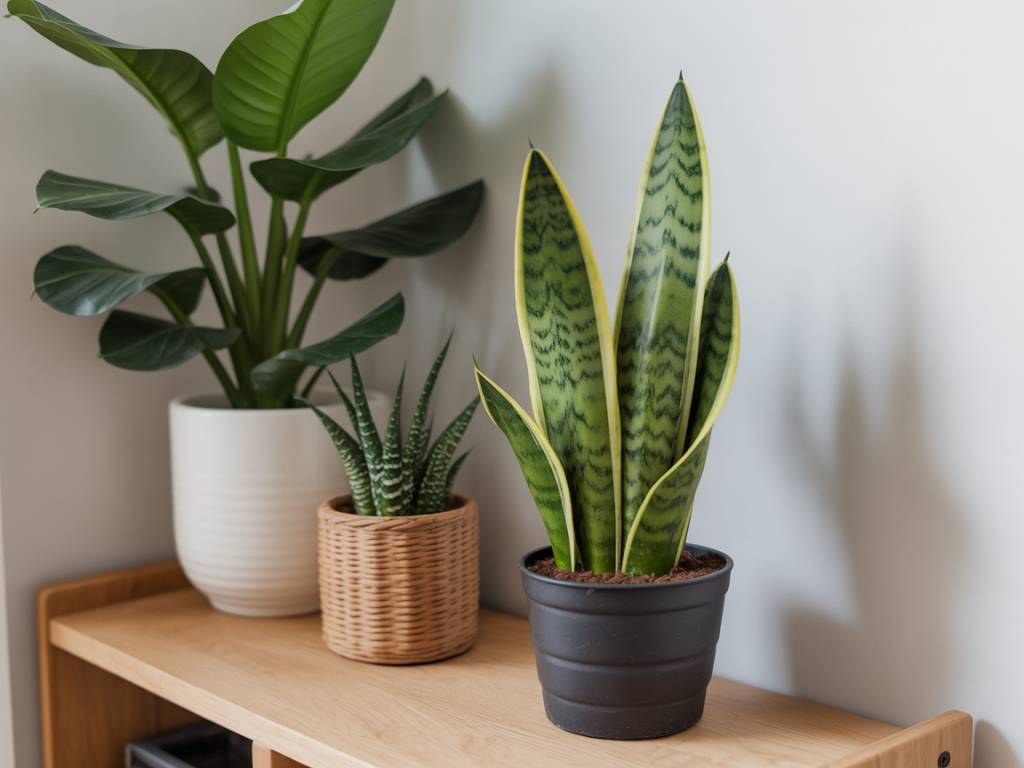
When we think about improving our sleep and indoor air quality, we usually go straight to high-tech solutions: air purifiers, sleep trackers, fancy diffusers. But sometimes, the most effective tools are also the simplest — like a humble houseplant sitting quietly in the corner of your bedroom.
One of the most popular indoor plants right now is the snake plant (also called Sansevieria or Dracaena trifasciata). If you’ve seen those upright, sword-like leaves in offices, yoga studios or living rooms, you already know it’s a favorite for low-maintenance greenery. But beyond the visual appeal, this plant may play a surprising role in supporting cleaner air and better sleep.
Let’s explore how this tough, almost unkillable plant can support your health, your sleep, and your indoor environment.
Meet the Snake Plant: The Toughest Roommate You’ll Ever Have
Not everyone has a green thumb. Luckily, the snake plant doesn’t really care.
Originating from West Africa, snake plants are famous for their resilience. They tolerate low light, irregular watering, dry air, and a fair bit of neglect. That alone already makes them ideal for bedrooms, offices, and small apartments.
But the real interest from the health and wellness community comes from two things:
- Their ability to help filter certain indoor air pollutants
- Their unique way of processing gases, even at night
So, how does that translate into actual benefits for your air quality and sleep?
How Snake Plants Interact with Indoor Air
Plants don’t work like mechanical air purifiers, and it’s important to be realistic here. You can’t put a single plant in the middle of a polluted room and expect it to solve everything. That said, snake plants can still make a measurable difference in several ways:
- They absorb some volatile organic compounds (VOCs) through their leaves and roots.
- They convert CO₂ into oxygen via photosynthesis.
- They help regulate humidity slightly.
- They influence how we feel in a space (which affects stress and sleep quality).
Studies, including earlier NASA research on plants in sealed environments, suggest that plants can absorb certain indoor pollutants like benzene and formaldehyde. More recent research tells us that in a normal home, you’d need quite a lot of plants to match the power of a good air purifier. Still, as part of an overall healthy home strategy, snake plants bring multiple small advantages that can add up — especially in the place where you sleep.
10 Benefits of Snake Plant for Indoor Air Quality and Better Sleep
Here are ten evidence-informed (and experience-backed) reasons to consider adding a snake plant to your bedroom or living space.
- 1. Helps reduce certain indoor air pollutants
Snake plants can absorb some volatile organic compounds (VOCs), which are chemicals released from paints, cleaning products, furniture, and synthetic materials. Laboratory studies suggest that plants, including snake plants, can help reduce compounds such as benzene, toluene, xylene, and formaldehyde under controlled conditions.
In a normal bedroom, this effect will be moderate, not magical. But when combined with good ventilation (like opening the window regularly), low-VOC products, and possibly an air purifier, snake plants can be a helpful part of your air-quality toolbox.
- 2. Supports nighttime oxygen levels through CAM photosynthesis
Most plants take in CO₂ and release oxygen during the day, then switch their gas exchange patterns at night. Snake plants are different. They use a system called CAM (Crassulacean Acid Metabolism) photosynthesis. In simple terms: they’re more active with gas exchange at night than many other plants.
They can continue to absorb CO₂ and release oxygen after dark. Will one plant completely transform your bedroom air? No. But multiple plants may contribute to a slightly fresher environment — nice support for your breathing, especially if your room is small or not well ventilated.
- 3. May gently support better breathing for light allergy sufferers
If you’re sensitive to dust or indoor air, every little improvement can help. By absorbing particles, VOCs, and CO₂, snake plants can make your environment feel a bit fresher. Psychologically, many people report that they “breathe better” in plant-filled rooms.
However, if you have strong allergies, asthma, or mold sensitivity, be selective. Snake plants themselves rarely cause allergies, but overwatering can lead to mold in the soil. Let the soil dry out between waterings and avoid placing the pot in very humid corners.
- 4. Contributes to a calmer, more relaxing bedroom atmosphere
Good sleep isn’t only about oxygen and CO₂ levels. Your nervous system cares about your environment: light, color, order, and even greenery. Indoor plants are consistently linked to reduced perceived stress, improved mood, and a greater sense of calm in several studies.
A snake plant’s vertical lines and deep green shades naturally create a soothing, structured presence in a room. That may sound poetic, but it has real physiological effects: less visual clutter, more natural elements, and softer aesthetics can signal to your brain that it’s safe to relax and let go — perfect preparation for sleep.
- 5. Minimal maintenance means less stress, more consistency
Nothing kills motivation faster than a “health habit” that becomes a chore. Snake plants need very little from you:
- Water every 2–3 weeks (even less in winter).
- Tolerate low to medium light levels.
- Do fine in dry indoor air.
- Rarely attract pests.
Because they’re so easy to keep alive, they can reliably stay in your bedroom long term, offering continuous benefits without creating more work in your routine. Your sleep strategy should be sustainable — and this plant fits that philosophy perfectly.
- 6. May slightly improve humidity balance in dry rooms
Indoor air that’s too dry can irritate your airways, skin, and eyes, and sometimes disrupt sleep. Plants naturally release water vapor into the air through a process called transpiration. Snake plants aren’t the most powerful humidifiers, but in a very dry room, every bit of extra moisture helps.
If you wake up with a dry mouth, dry throat, or tight skin, combining one or two snake plants with a bowl of water or a proper humidifier can make your bedroom air feel more comfortable — especially in winter or in very heated spaces.
- 7. Helps create a tech-free, health-focused sleep environment
Better sleep hygiene often means reducing screens and electronic devices in the bedroom. Replacing some of your décor with plants sends a different signal: this room is for recovery, not for scrolling and endless notifications.
Placing a snake plant where a gadget used to be can be a powerful visual cue. Instead of a glowing device next to your bed, you’ve got a silent, living object that reminds you of your health goals. That kind of environmental design is often underrated, but it’s incredibly effective in changing habits.
- 8. Supports mental well-being, which indirectly supports sleep
Indoor plants have been linked in research to reduced anxiety, improved mood, and even increased concentration and productivity. A calmer, more balanced mood during the day often leads to easier sleep at night.
Caring for a plant — even something as low-maintenance as a snake plant — also creates a small ritual. Checking the soil, turning the pot occasionally, wiping the leaves now and then: these tiny actions help you reconnect with something living and slow down. Instead of rushing into bed still mentally wired, you get a moment of grounding at the end of the day.
- 9. Safe (with precautions) and space-efficient for small bedrooms
Snake plants are tall and narrow, which makes them perfect for small rooms where every square meter counts. They can fit in corners, on bedside tables, or near windows without taking over your space.
One important note: snake plants are considered mildly toxic if ingested by pets (especially cats and dogs) due to saponins. Most animals will leave them alone, but if your pet loves chewing plants, keep the snake plant out of reach or choose a pet-safe alternative. For humans, normal contact is safe, and they don’t typically cause skin irritation.
- 10. A low-cost addition to a complete sleep and air-quality strategy
Improving air quality and sleep can get expensive quickly: purifiers, monitors, blackout curtains, ergonomic mattresses… In comparison, a snake plant is a small investment with multiple benefits and almost no maintenance cost.
The key is to see it as part of a global strategy, not a miracle cure. Combine your snake plant with:
- Regular airing of your bedroom (5–10 minutes, once or twice a day).
- Lifestyle choices that support sleep: balanced nutrition, regular movement, and limited caffeine in the evening.
- Reduced use of synthetic fragrances and harsh cleaning products.
- Proper sleep hygiene: consistent bedtime, cool dark room, limited screens before sleep.
In this bigger picture, the snake plant becomes a simple, elegant way to stack the odds a bit more in your favor.
How Many Snake Plants Do You Actually Need?
One snake plant will not transform your air quality by itself, but it’s a great start. For a typical bedroom, many indoor air experts suggest several medium-sized plants if your goal is to meaningfully support air quality.
A practical, realistic approach could be:
- 1–2 medium snake plants in a small bedroom.
- 3–5 plants (mixed species including snake plants) in a larger room or open-space living area.
But don’t get obsessed with numbers. Start with what feels manageable. The goal is to improve your environment, not to turn your room into a jungle you’re too busy to care for.
Where to Place Your Snake Plant for Maximum Benefit
Placement matters, both for the plant and for your sleep environment.
- Near the bed (but not blocking airflow)
A snake plant on a bedside table or slightly behind the bed can create a sense of natural “protection” and help you feel more grounded. Just avoid blocking air vents or windows you use for ventilation.
- Close to a window, but not in direct scorching sun
Snake plants tolerate low light, but they still do best with indirect natural light. A spot near a window, with filtered or indirect sun, is ideal. This helps their photosynthesis and keeps them healthier — which enhances their air-related benefits.
- In corners with stagnant air
Corners of a room often feel “stale.” Placing a snake plant there can create a visual focal point and gently improve the perceived freshness of that area.
Care Tips to Keep Your Snake Plant Healthy (and Mold-Free)
For maximum health benefits, you want a thriving plant, not a limp, overwatered one. Fortunately, the rules are simple:
- Water sparingly: Let the soil dry out completely between waterings. Overwatering is the fast track to root rot and mold.
- Use well-draining soil: A cactus or succulent mix works well, ideally in a pot with drainage holes.
- Avoid constantly humid rooms: Snake plants tolerate some humidity but don’t keep them in perpetually damp areas if you’re sensitive to mold.
- Wipe the leaves occasionally: Dust can block light and reduce photosynthesis. A quick wipe with a damp cloth every few weeks is enough.
Healthy plant = better air interaction = better return on your little green investment.
Snake Plant as Part of a Holistic Health and Sleep Lifestyle
Improving your sleep and indoor environment is a bit like optimizing your nutrition or training: the biggest wins come from combining several small, consistent habits. A snake plant alone won’t fix chronic insomnia, and it won’t replace good ventilation or an air filter if your home has significant pollution issues.
But as part of a complete lifestyle that includes:
- Balanced nutrition (especially avoiding heavy, late meals before bed).
- Regular movement or sports to regulate stress and circadian rhythm.
- Good hydration during the day, but not too close to bedtime.
- Stress management: breathing exercises, stretching, or meditation in the evening.
…a snake plant can become one of those small, smart details that support a healthier, calmer, more sleep-friendly environment.
Sometimes, the most effective wellness upgrades are not the ones that buzz, vibrate, or connect to Wi-Fi. They’re the ones that quietly do their job in the background — like a tall, green guardian watching over your sleep from the corner of the room.