


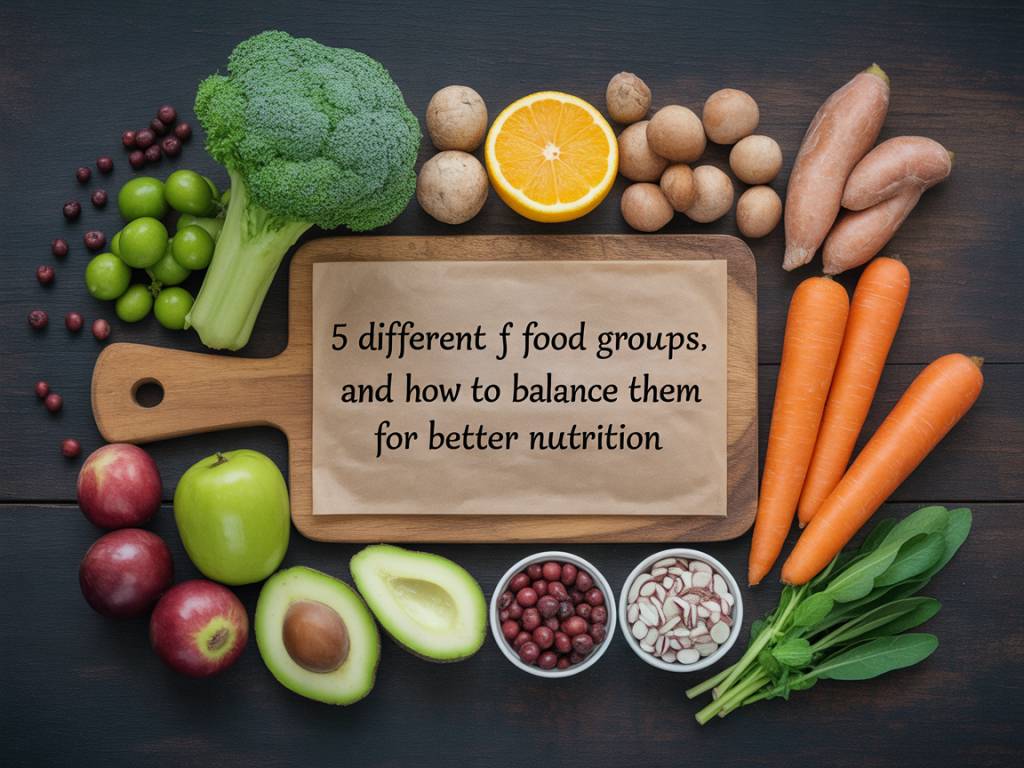
If you’ve ever stared at your plate and wondered, “Is this even remotely balanced?”, you’re not alone. Between trendy diets, conflicting advice and flashy food labels, getting back to the basics of good nutrition can feel surprisingly complicated.
In reality, healthy eating still rests on a simple foundation: the main food groups and how we combine them across the day. Understand those, and you’ve already done 80% of the work for better energy, better performance, and better long-term health.
Let’s walk through the five key food groups and see how to balance them in a realistic, everyday way — no macros spreadsheets required.
The five food groups at a glance
Different countries and health organizations use slightly different models, but they all converge around the same big idea. A balanced diet is built from:
- Vegetables and fruits
- Whole grains and other starchy foods
- Protein-rich foods (animal and plant)
- Dairy and fortified alternatives
- Healthy fats
Instead of obsessing over individual nutrients (“Did I get enough magnesium today?”), it’s often easier to think in terms of these groups. Each food group brings its own package of nutrients, and they’re designed to complement each other.
The goal is not perfection at every single meal. The goal is balance across your day (and week), with all five groups showing up regularly.
Vegetables and fruits: color as your compass
If there’s one group that almost everyone needs more of, it’s this one. Vegetables and fruits are your main source of vitamins, minerals, antioxidants and fiber. They help support immunity, digestion, blood sugar control, and even mood.
A practical target for most adults is at least five servings per day, ideally more vegetables than fruits. One serving is roughly:
- 1 handful of raw leafy veg (like spinach or lettuce)
- ½ cup of cooked vegetables
- 1 medium fruit (apple, orange, banana)
- ½ cup of chopped fruit or berries
Instead of counting obsessively, use color as a simple guide. Try to include at least two different colors of plant foods at most meals.
Some ideas that work well in busy, real life:
- Add a handful of spinach or frozen mixed veggies to omelets, pasta or rice dishes.
- Keep a bag of baby carrots, cherry tomatoes or cucumber sticks in the fridge for easy snacking.
- Choose fruit as your default dessert at lunch: an apple, some berries, or a sliced orange.
- Use frozen vegetables when you’re short on time; nutritionally, they’re often as good as fresh.
One small but powerful habit: build your plate starting with vegetables, then add proteins and carbs on top. That simple reversal tends to improve your nutrition without any “diet” feeling.
Whole grains and starchy foods: steady energy, not sugar crashes
Carbs are not the enemy. The problem is usually the type and amount. Whole grains and minimally processed starchy foods provide sustained energy, fiber, and important B-vitamins and minerals.
Examples include:
- Oats, quinoa, brown rice, whole wheat pasta, whole grain bread
- Potatoes, sweet potatoes, yams
- Beans and lentils (which also count as protein)
Refined carbs (white bread, sugary cereals, pastries, sweets) digest quickly and can spike blood sugar and hunger. Whole grains digest more slowly and keep you satisfied longer — ideal for both everyday life and sports performance.
How much do you need? That depends on your size, activity level and goals, but as a rough daily picture for most adults:
- 1–2 fist-sized portions of grains or starchy foods per main meal if you’re active
- 1 portion per meal if you’re more sedentary or aiming for fat loss
If you regularly find yourself raiding the snack cupboard mid-afternoon, it’s often because lunch was low in protein or high-quality carbs. Balancing this group with protein and vegetables is key for steady energy.
Protein-rich foods: building and repairing
Protein is the building block for muscle, enzymes, hormones and a strong immune system. It also helps you stay full, which is useful whether you’re managing weight, training hard, or just trying not to snack all evening.
Good protein sources include:
- Fish and seafood
- Eggs and poultry
- Lean red meat in moderate amounts
- Greek yogurt, cottage cheese, skyr
- Tofu, tempeh, edamame
- Lentils, beans, chickpeas
- Nuts and seeds (also part of the fats group)
Most people do well with roughly a palm-sized portion of protein at each main meal, sometimes more if you’re very active or trying to build muscle. For many, that looks like:
- 2–3 eggs
- 100–150 g of cooked meat, poultry, fish or tofu
- ¾–1 cup of cooked beans or lentils
One practical tip: spread your protein over the day instead of eating most of it at dinner. A protein-rich breakfast (for example, eggs plus vegetables, or Greek yogurt plus fruit and oats) can dramatically improve energy, focus, and snack cravings later in the day.
Dairy and fortified alternatives: bones, muscles and more
Dairy products and their fortified plant-based alternatives are key sources of calcium, protein and often vitamin D — nutrients that support bones, muscles, and overall health.
Options include:
- Milk, yogurt, kefir, cheese
- Fortified plant milks (soy, pea, oat, almond, etc.)
- Fortified plant yogurts
If you tolerate dairy, 2–3 servings per day is a common recommendation. A serving is roughly:
- 1 glass (200–250 ml) of milk or fortified plant drink
- 1 small pot (125–150 g) of yogurt
- 30 g of cheese
If you avoid dairy, pay special attention to replacements:
- Choose plant milks fortified with calcium and vitamin D.
- Include other calcium-rich foods: tofu set with calcium, sesame seeds/tahini, almonds, leafy greens.
- Make sure you still hit your protein needs with legumes, tofu, tempeh, seitan, or high-protein plant yogurts.
The mistake many people make when switching to plant alternatives is going for products that are low in protein and not fortified. Always check the label: you want at least 2–3 g of protein per 100 ml for milk alternatives, and added calcium.
Healthy fats: small amounts, big impact
Fats were demonized for years, but they’re essential. They help absorb fat-soluble vitamins (A, D, E, K), regulate hormones, protect organs, and support brain health. The key is quality and quantity.
Prioritize:
- Olive oil, rapeseed/canola oil, and other unsaturated oils
- Fatty fish (salmon, sardines, mackerel) for omega-3s
- Avocado
- Nuts and nut butters
- Seeds (chia, flax, pumpkin, sunflower)
Use butter, cream, processed meat and deep-fried foods more sparingly. They’re not “forbidden”, but they shouldn’t be your main fat sources.
A useful visual guide:
- Oils: 1–2 thumb-sized portions per meal (for cooking and dressing)
- Nuts and seeds: a small handful (about 30 g) as a snack or topping
- Fatty fish: aim for 1–2 times per week if possible
If you’ve been avoiding fats completely to “save calories”, you may notice better satiety, hormonal balance, and even improved training performance when you bring back the right types in moderate amounts.
How to balance the food groups in a typical day
So how do you put all of this together without turning meals into a math exercise? A simple method is the “balanced plate” approach at main meals.
On most plates, aim for:
- ½ plate vegetables (and some fruit across the day)
- ¼ plate protein
- ¼ plate whole grains or other starchy foods
- A thumb of healthy fats (olive oil, nuts, seeds, avocado)
Then add 1–3 servings of dairy or fortified alternatives across the day, depending on your needs.
Here’s how that might look in everyday meals.
Breakfast ideas
- Oatmeal made with milk or fortified plant milk, topped with berries, a spoon of nut butter, and a sprinkle of seeds.
- Scrambled eggs with spinach and mushrooms, a slice of whole grain bread, and a small piece of fruit.
- Greek yogurt with chopped fruit, oats or granola, and a handful of nuts.
Lunch ideas
- Mixed salad with lettuce, tomatoes, cucumbers, grated carrots, chickpeas or lentils, olive oil dressing, and a side of whole grain bread.
- Brown rice bowl with chicken or tofu, stir-fried vegetables, and a drizzle of sesame oil.
- Whole grain wrap filled with hummus, grilled vegetables, and grilled fish or tempeh.
Dinner ideas
- Baked salmon, roasted sweet potatoes, and a large portion of mixed vegetables.
- Whole wheat pasta with tomato-vegetable sauce, extra veggies tossed in, and grated cheese or nutritional yeast.
- Vegetable and bean curry served with quinoa or brown rice, plus a side of yogurt if you tolerate dairy.
Snacks can then “fill the gaps”: a piece of fruit, yogurt, a handful of nuts, veggie sticks with hummus, or a small portion of cheese with whole grain crackers.
Adjusting for your goals and lifestyle
The basic balance stays the same, but you can tweak the proportions of each group depending on your priorities.
If you want more energy and performance
- Keep all five groups on board, but increase whole grains and starchy foods around training sessions.
- Include protein at every meal and snack to support recovery.
- Hydrate and consider slightly more fruit for quick-access carbs, especially around exercise.
If you want fat loss without feeling deprived
- Fill half your plate (or more) with vegetables to increase volume and fiber.
- Keep a solid palm of protein per meal to maintain muscle and satiety.
- Limit portions of starchy foods to roughly 1 fist at most meals, except intense workout days.
- Be mindful with fats: use them, but measure oils and nut butters instead of pouring freely.
If you’re plant-based or mostly plant-based
- Make legumes (beans, lentils, chickpeas), tofu and tempeh your main protein anchors.
- Use fortified plant milks and yogurts to cover calcium and vitamin D.
- Include a variety of whole grains, nuts, and seeds for a broader amino acid and micronutrient profile.
Common mistakes when balancing food groups
Even with the best intentions, a few patterns tend to show up again and again.
- Too many refined carbs, not enough fiber: plenty of bread, pastries and pasta, but very few vegetables or whole grains. Result: energy crashes, cravings, digestive issues.
- Protein only at dinner: a very light breakfast, a carb-heavy lunch, then a big dinner. Result: afternoon hunger, poor recovery from training, and loss of muscle over time.
- Fear of fats: avoiding all fats, then compensating with more refined carbs. Result: poor satiety, potential hormone and skin issues.
- Vegetables only as a “side”: tiny salad at the edge of the plate instead of making plants the main feature.
- Plant-based but under-proteined: lots of vegetables and grains, but almost no legumes, tofu or tempeh. Result: fatigue, difficulty maintaining muscle.
The good news: you don’t need to overhaul everything at once. Changing just one meal at a time, or upgrading just one food group, already creates momentum.
Bringing it all together
Balancing the five food groups isn’t about perfection or rigid rules. It’s about patterns: what you do consistently across days and weeks.
If you’re not sure where to start, pick one simple action from each area:
- Add one more serving of vegetables or fruit today.
- Swap one refined grain for a whole grain (white rice to brown, white bread to whole grain).
- Make sure every main meal includes a clear source of protein.
- Include at least one calcium-rich food (dairy or fortified alternative) in your daily routine.
- Use olive oil instead of butter for cooking once today.
Repeat that kind of small upgrade often enough, and you’ll look back in a few months at a completely different, more balanced way of eating — without ever feeling like you were on a “diet.”
Your plate doesn’t have to be perfect. It just has to move, slowly but steadily, in the right direction. And the five food groups are a straightforward compass to get you there.