


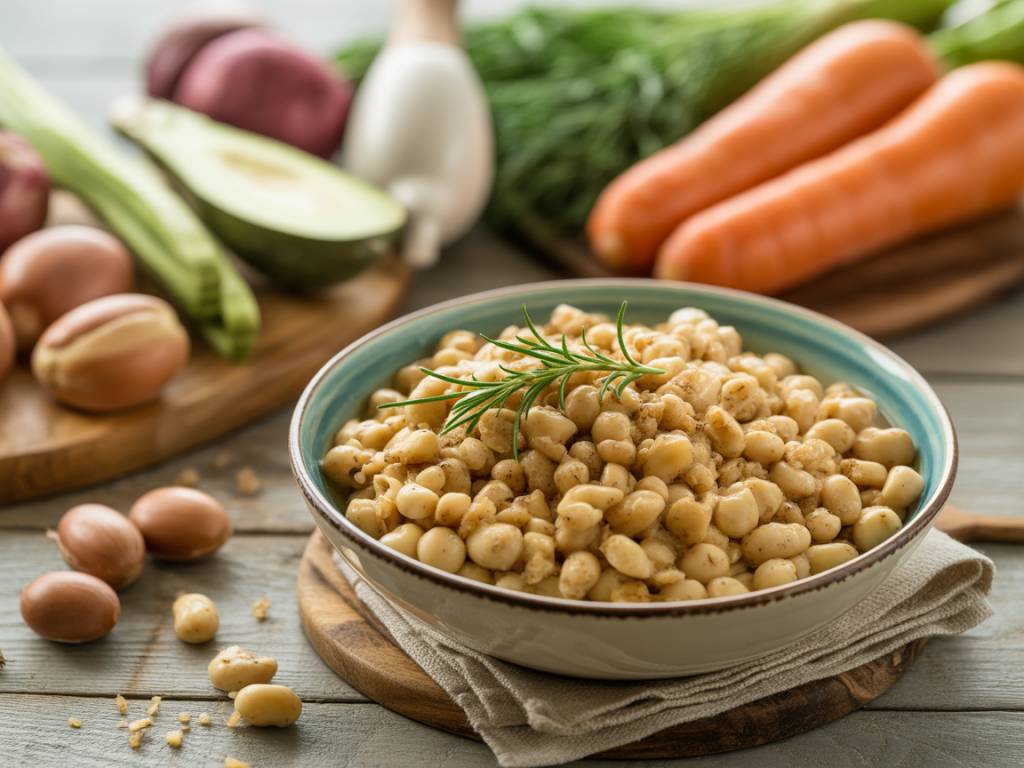
Healthy eating has a reputation for being expensive. Organic berries, wild salmon, superfood powders… your bank account can start sweating just reading the labels. But here’s the good news: you don’t need a premium budget to eat in a way that supports your energy, performance, and long-term health.
With a bit of strategy, some of the cheapest foods in the store can become the nutritional backbone of your diet. In this article, we’ll look at budget-friendly foods that still deliver serious nutritional value, and how to combine them into quick, satisfying meals.
What “high nutrition on a budget” really means
Before diving into a shopping list, it helps to define the goal. When we say “budget-friendly but high in nutrition”, we’re essentially talking about foods that offer:
- High nutrient density – lots of vitamins, minerals, protein or fiber per calorie.
- Low cost per serving – ideally, just a few cents to under €1 per portion.
- Versatility – easy to include in many different meals so nothing goes to waste.
- Good shelf life – frozen, dried or canned options that don’t spoil quickly.
These are the foods that quietly do the heavy lifting in your diet, even if they’re not Instagram-famous.
Protein powerhouses that don’t break the bank
Protein is essential for muscle maintenance, satiety and metabolic health. Fortunately, some of the best sources are among the most affordable.
Eggs
Eggs are one of the most nutrient-dense foods you can buy. For a relatively low price, you get:
- Complete protein with all essential amino acids
- Choline, important for brain and liver health
- Vitamin B12, vitamin D, selenium and fat-soluble antioxidants in the yolk
They’re also incredibly versatile: scrambled for breakfast, boiled as a snack, or added to salads, rice bowls and even soups for extra protein.
Dried lentils and beans
Dried legumes are hard to beat on cost per gram of protein and fiber. They offer:
- Plant-based protein (around 8–10 g per cooked 100 g for lentils)
- Plenty of fiber for digestive health and stable blood sugar
- Iron, magnesium, potassium and B vitamins
They’re also perfect for batch cooking. Cook a big pot of lentils or beans once, and you have the base for several meals: salads, stews, curries, wraps… If time is tight, canned versions are still affordable and very convenient. Just rinse them to reduce excess sodium.
Canned fish (sardines, mackerel, tuna)
Canned fish often costs a fraction of fresh fish but offers similar (or sometimes better) nutritional value. Especially:
- Sardines and mackerel – rich in omega‑3 fatty acids, vitamin D, calcium (if you eat the soft bones), and protein.
- Tuna – high in protein and B vitamins; just be mindful of frequency due to mercury (especially for pregnant women and children).
Add them to wholemeal pasta, salads, rice bowls or spread on wholegrain toast with a squeeze of lemon. A small can can easily transform a simple meal into something satisfying and protein-rich.
Plain yogurt (preferably natural or Greek-style)
Plain yogurt, especially in bigger tubs, offers high-quality protein and probiotics at a low cost. Look for:
- Unsweetened versions to avoid added sugars
- Greek or strained yogurt for higher protein content
Use it as a base for breakfast bowls with oats and fruit, as a snack with nuts, or as a substitute for cream in sauces and dressings.
Budget-friendly carbohydrates that actually support your health
Carbs have a mixed reputation, but the right sources provide long-lasting energy, fiber and important micronutrients. And many of them are very affordable.
Oats
Oats might be one of the best deals in the whole supermarket. For a low price you get:
- Slow-digesting carbohydrates for sustained energy
- Soluble fiber (beta-glucans) that support heart health and satiety
- Decent amounts of magnesium, phosphorus and B vitamins
They’re extremely adaptable: overnight oats, porridge, homemade granola, pancakes, smoothies, even savory oat “risotto”. Buy them in large bags to reduce the price per portion even more.
Brown rice and wholegrain pasta
Whole grains are slightly more expensive than refined options, but the difference is often a few cents per portion – for much more nutrition.
- More fiber to stabilize blood sugar and keep you full
- More minerals (magnesium, zinc, iron) and B vitamins
Cook larger batches of rice or pasta once or twice a week, and you’ve got an easy base ready for stir-fries, salads, and bowls with beans, eggs or canned fish.
Potatoes and sweet potatoes
Potatoes are one of the cheapest sources of carbohydrates and vitamin C. Sweet potatoes add beta-carotene (a vitamin A precursor) and more fiber. Prepared right, they’re incredibly satiating and can easily fit into a healthy diet.
Try:
- Roasted wedges with olive oil and herbs
- Mashed potatoes with a bit of yogurt instead of cream
- Oven-baked sweet potatoes stuffed with beans, veggies and a spoon of yogurt
Low-cost vegetables that pack a nutritional punch
You don’t need exotic vegetables to eat well. Many of the most affordable options are true micronutrient powerhouses.
Frozen mixed vegetables
Frozen vegetables are often harvested and frozen at peak ripeness, which preserves their vitamins. They’re usually cheaper than fresh, especially out of season, and they don’t go bad in your fridge after three days.
Go for simple versions without sauces or added salt. Mixed veggie blends (carrots, peas, green beans, etc.) are perfect for:
- Stir-fries
- Omelets
- Soups and stews
- Rice or pasta dishes
Carrots, onions and cabbage
These three form the base of countless recipes and are very cheap per kilo.
- Carrots – beta-carotene, fiber and a natural sweetness that works in both savory dishes and snacks.
- Onions – not only flavor bombs, but also contain antioxidants and beneficial sulfur compounds.
- Cabbage (white, red or Savoy) – rich in vitamin C, vitamin K and fiber, and keeps well in the fridge for weeks.
With these three, you can build soups, stir-fries, salads and stews that are flavorful, filling and very budget-friendly.
Canned tomatoes
Canned tomatoes (chopped, crushed or whole) are cheap, long-lasting and incredibly useful. They’re also rich in lycopene, an antioxidant that may support heart health.
Use them as a base for:
- Pasta sauces
- Shakshuka (eggs cooked in tomato sauce)
- Bean or lentil stews
- Homemade vegetable soups
Affordable fruits that still deliver
Fresh fruit can get expensive if you always go for berries and exotic varieties. The trick is to focus on seasonal and frozen options.
Seasonal apples, bananas and citrus
These “ordinary” fruits are anything but boring from a nutritional point of view:
- Apples – fiber (especially in the skin) and various polyphenols.
- Bananas – carbs for quick energy, potassium and vitamin B6.
- Oranges and other citrus – vitamin C, folate and refreshing hydration.
Buy what’s in season and on promotion. These fruits work well as snacks, dessert, blended into smoothies, or sliced over oats and yogurt.
Frozen berries
Fresh berries can be pricey, but frozen versions are often much cheaper per portion and still rich in antioxidants, vitamin C and fiber.
Add them to:
- Oatmeal or yogurt bowls
- Smoothies
- Homemade “nice cream” (blended frozen banana and berries)
Healthy fats on a small budget
Fats are crucial for hormone production, brain function and absorption of vitamins A, D, E and K. You don’t need fancy oils to cover your needs.
Olive oil (basic, not necessarily extra-premium)
Olive oil is rich in monounsaturated fats and polyphenols. You don’t have to buy the most expensive extra-virgin bottle on the shelf; a good quality mid-range option used in moderation will do the job.
Use it for:
- Roasting vegetables and potatoes
- Simple salad dressings with lemon or vinegar
- Finishing soups and stews with a drizzle of healthy fats
Seeds and peanuts
While some nuts can be expensive, peanuts and seeds are usually more affordable and still very nutritious.
- Peanuts and peanut butter – protein, healthy fats, vitamin E and magnesium. Choose versions without added sugar or hydrogenated oils.
- Sunflower or pumpkin seeds – great sources of vitamin E, magnesium, zinc and healthy fats.
Sprinkle seeds over salads, oats or yogurt; use peanut butter on wholegrain toast, in smoothies or in simple sauces for stir-fries.
Smart shopping strategies when the budget is tight
Knowing which foods are budget-friendly is one thing. Actually sticking to a tight grocery bill every week is another. A few strategies can make a big difference.
Buy in bulk (when it makes sense)
Foods with a long shelf life are ideal for bulk buying:
- Oats
- Rice and pasta
- Dried beans and lentils
- Canned tomatoes and canned fish
- Frozen vegetables and fruits
The price per kilogram or per portion usually drops significantly when you buy larger packages.
Base your meals on what’s on promotion
Instead of deciding on a recipe and then buying every ingredient at any price, flip the logic: check what’s discounted first, then build your meals around those foods.
For example, if frozen vegetables and eggs are on sale, you might plan:
- Veggie omelets
- Fried rice with eggs and mixed vegetables
- Tomato and vegetable shakshuka
Keep a simple “core list” and rotate flavor
Eating well on a budget doesn’t require 50 different ingredients every week. You can keep a core list of cheap, nutrient-dense staples, and change the spices and sauces to avoid boredom.
A typical core list might include:
- Oats, rice, wholegrain pasta, potatoes
- Eggs, lentils, canned fish, yogurt
- Frozen vegetables, carrots, onions, cabbage
- Apples, bananas, seasonal fruit, frozen berries
- Olive oil, peanuts, seeds
Then play with flavors: tomato-based, curry-style, Mediterranean (olive oil, garlic, herbs), spicy, etc.
Easy high-nutrition, low-cost meal ideas
Putting everything together, here are a few meal examples that are affordable, balanced and quick to prepare.
Breakfast: Oat, yogurt and fruit bowl
- Rolled oats (can be soaked overnight in water or milk)
- Plain yogurt
- Banana or apple slices
- Frozen berries
- A small handful of seeds or peanuts
This bowl offers complex carbs, protein, fiber, healthy fats and antioxidants for a very low cost per serving.
Lunch: Lentil and vegetable rice bowl
- Cooked brown rice
- Cooked lentils (or canned, rinsed)
- Frozen mixed vegetables, quickly sautéed with onion and garlic
- A spoon of olive oil and your favorite spices (paprika, cumin, curry powder…)
Mix everything in a bowl. You get a complete meal: carbs, plant protein, fiber and plenty of micronutrients.
Dinner: Tomato and sardine wholegrain pasta
- Wholegrain pasta
- Canned tomatoes
- Onion and garlic, sautéed in olive oil
- Can of sardines (in olive oil or water)
- Dried herbs (oregano, basil) and pepper
Cook the pasta. In a pan, sauté onion and garlic, add canned tomatoes and herbs, then stir in the sardines. Combine with pasta. You get omega‑3s, protein, complex carbs and a lot of flavor for very little money.
Snack or post-workout option: Peanut butter banana “sandwich”
- Two slices of wholegrain bread
- Peanut butter (no added sugar)
- Banana slices
This simple combo provides carbs, protein and healthy fats – perfect after a training session or as a filling afternoon snack.
Performance and health on a budget: a realistic perspective
If you’re into sports and performance, it’s easy to think that you need specialized products to eat “like an athlete”. Protein powders, energy bars and functional drinks can be useful tools, but they’re not the foundation – especially if your budget is limited.
For most active people, solid basics like oats, eggs, lentils, yogurt, potatoes and frozen vegetables will cover the majority of your nutritional needs. You can then add a few targeted products if your finances allow it or if your training volume is very high.
The real performance upgrade often comes from:
- Consistent, balanced meals rather than “perfect” occasional ones
- Enough total calories to support training, even from simple foods
- Regular intake of high-quality protein (eggs, dairy, legumes, fish)
- Sufficient fruit and vegetables, fresh or frozen, for micronutrients
You don’t need a luxury diet to feel stronger, think clearer and recover better. You need a solid strategy built around affordable foods that quietly deliver a lot of nutrition.
Next time you walk into the supermarket with a tight budget, remember: the shelves are full of everyday staples that can help you build a high-performance, health-supporting diet. They may not have flashy packaging, but your body doesn’t read labels – it responds to nutrients.