


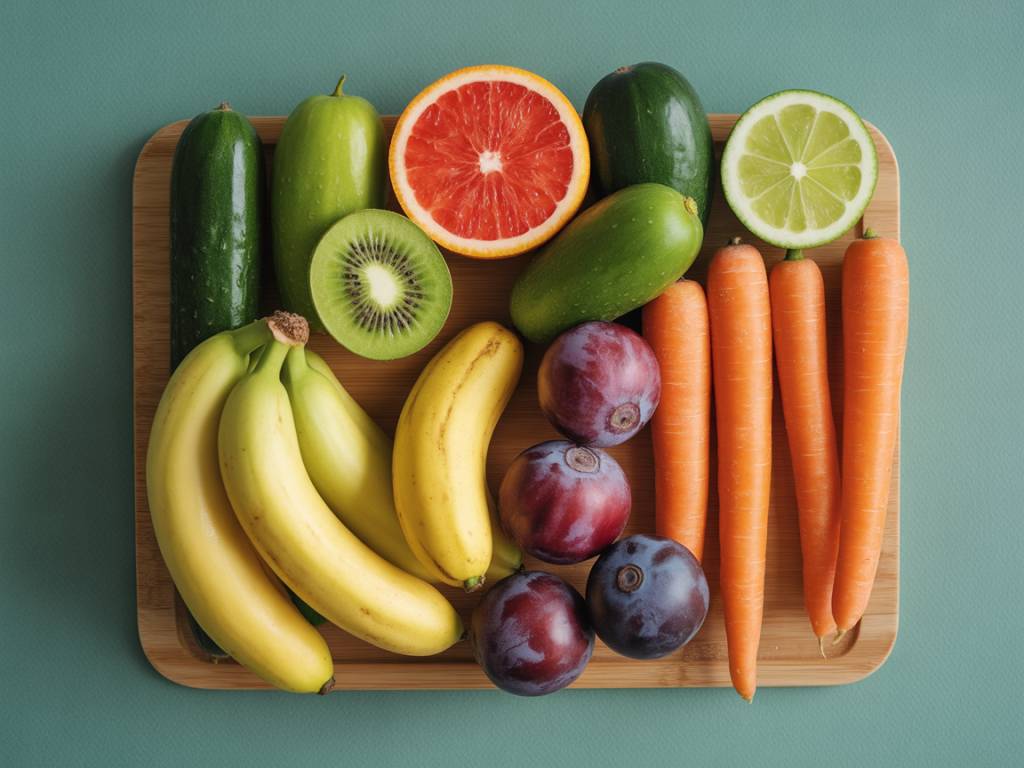
We all know we “should eat more fruits and veggies”. But what does “more” actually mean in practice? And how do you hit those daily recommendations when life is busy, you’re often eating on the go, and the vending machine looks way more tempting than the salad bar?
In this article, we’ll break down realistic daily fruit and vegetable targets based on current science, and then turn them into simple, practical strategies you can actually use every day.
What do the guidelines really say?
Depending on the country or organization, the numbers differ slightly, but they all point in the same direction: more plants on your plate equals better health.
Most public health guidelines recommend at least:
- 5 portions per day of fruits and vegetables combined (minimum)
- With some evidence suggesting benefits up to 7–10 portions per day
A large meta-analysis in the International Journal of Epidemiology found that people eating around 800 g of fruits and vegetables per day (about 10 portions) had lower risks of heart disease, stroke, and certain cancers compared to those eating much less.
Now, 10 portions can sound intimidating, so let’s translate this into something more tangible.
What is a “portion” exactly?
Health messages often say “5 a day” without explaining what “1” looks like. No wonder people get confused. Here’s a simple rule of thumb:
- 1 portion ≈ 80–100 g
In everyday terms, that usually means:
- 1 medium fruit: e.g. apple, orange, pear, banana
- 2 small fruits: e.g. plums, kiwis, apricots, clementines
- 1 handful of berries or grapes
- ½ cup (cooked) vegetables: carrots, broccoli, peas, green beans, etc.
- 1 cup (raw) leafy vegetables: salad greens, spinach, arugula, cabbage
Some common questions:
- Do potatoes count? In most guidelines, white potatoes don’t count because they behave more like a starch than a vegetable. Sweet potatoes usually do count.
- Do juices count? 100% fruit or vegetable juice can count, but typically only one portion per day, because they’re easier to overconsume and don’t contain fiber.
- Do frozen and canned count? Yes. Fresh, frozen, canned, or dried all count, as long as there’s no added sugar and minimal salt.
So what’s an ideal daily target?
If you’re starting from a low baseline (e.g. 1–2 portions a day), aiming for 10 portions overnight is a recipe for frustration. A realistic and beneficial target is:
- Minimum: 5 portions daily (3 veg, 2 fruit)
- Ideal range for most adults: 5–8 portions daily (with a focus on vegetables)
A nice, simple priority:
- 3–5 portions of vegetables per day
- 2–3 portions of fruit per day
From there, you can adjust depending on your calorie needs, activity level, and digestive tolerance.
Why it matters: more than just vitamins
Fruits and vegetables are packed with vitamins and minerals, yes – but that’s only part of the story. They also contain:
- Fiber: supports digestion, blood sugar control, and satiety
- Antioxidants: such as vitamin C, vitamin E, carotenoids, and polyphenols
- Phytonutrients: plant compounds that can reduce inflammation and support heart, brain, and immune health
Large observational studies consistently show that people who eat more fruits and vegetables tend to have:
- Lower blood pressure
- Reduced risk of heart disease and stroke
- Lower risk of several types of cancer
- Healthier body weight over the long term
Is it the fiber? The polyphenols? The synergy between nutrients? Most likely a combination of all the above. What matters for you on a daily basis: the more colors and plants on your plate, the more you stack the odds in your favor.
What does a “good” day actually look like?
Let’s build an example of a day that hits around 7–8 portions without feeling like a rabbit diet.
Breakfast
- Rolled oats with milk or yogurt
- 1 sliced banana (1 portion of fruit)
- A small handful of berries, fresh or frozen (1 portion of fruit)
Running total: 2 portions (fruit)
Morning snack
- 1 apple or pear (1 portion of fruit)
Running total: 3 portions (all fruit so far)
Lunch
- Whole-grain pasta with tomato and vegetable sauce (includes 1–2 portions of veg: tomatoes, onions, peppers, carrots, etc.)
- Side salad: mixed greens, cucumber, carrots (1 portion of veg)
Running total: 5–6 portions (2–3 veg, 3 fruit)
Afternoon snack
- Carrot sticks + hummus (1 portion of veg)
Running total: 6–7 portions (3–4 veg, 3 fruit)
Dinner
- Grilled fish or tofu
- Steamed broccoli and green beans (1–2 portions of veg)
- Small baked sweet potato (often counted as veg in guidelines; 1 portion)
Final total: around 8–9 portions (5–6 veg, 3 fruit)
This is not an extreme “perfect” day. It’s just a small plant-based nudge at every meal. Once you get used to the pattern, hitting 5–8 portions feels surprisingly achievable.
Strategy 1: Build around the “3-2 rule”
A very simple framework I often suggest is the 3-2 rule:
- 3 portions of veg + 2 portions of fruit as your minimum target
Then spread them out like this:
- Breakfast: 1–2 portions (usually fruit)
- Lunch: 1–2 portions (mainly veg)
- Dinner: 1–3 portions (mainly veg)
- Snacks: fruit or veg if needed to fill the gap
At the end of the day, you can quickly check: Did I get my 3-2? If yes, you’re already doing better than a large part of the population. If not, you know what to focus on tomorrow.
Strategy 2: Make vegetables the default, not the accessory
In many traditional eating patterns, vegetables are the foundation of the meal. Protein and starch are added around the plants, not the other way around.
Some easy ways to flip that mindset:
- Fill half your plate with veg first. Only then add protein and starch.
- Add one extra vegetable to any main dish: onions in your omelet, frozen peas in your rice, spinach in your pasta, grated carrots in your sauce.
- Start meals with a salad or soup rich in vegetables. This alone can add 1–2 easy portions.
Think of vegetables not as decoration, but as the main character of the plate.
Strategy 3: Use “automatic” fruit moments
One of the easiest ways to eat more fruit is to anchor it to routines you already have. For example:
- Every breakfast includes at least one fruit: banana on oats, berries in yogurt, orange on the side.
- Every afternoon around that time when energy dips, you default to a piece of fruit before anything else.
- On rest days from sports, use fruit as a light snack instead of energy bars.
By turning fruit into a routine, not a decision, you avoid relying on willpower. It just becomes “what you do”.
Strategy 4: Embrace frozen, canned, and pre-cut
Perfectionism kills a lot of good nutrition intentions. You don’t need to be the person who always buys fresh, organic, farmer’s-market-only produce and cooks everything from scratch.
Some highly practical options that still tick the health boxes:
- Frozen vegetables: peas, spinach, mixed vegetables, broccoli, stir-fry mixes. They are picked and frozen at peak ripeness and can be very nutritious.
- Frozen fruits: berries, mango, pineapple for smoothies, yogurt toppings, or quick desserts.
- Canned vegetables: tomatoes, beans, lentils, chickpeas, corn. Go for low-salt when possible and rinse under water.
- Canned fruit in water or its own juice (not syrup): a quick way to have fruit on hand.
- Pre-washed salad mixes and pre-cut veg: yes, they’re more expensive, but if they help you eat more plants during a busy week, they’re a worthwhile tool.
Remember: the “best” vegetables are not the ones that look great on Instagram. They’re the ones you actually eat regularly.
Strategy 5: Upgrade your favorite meals instead of changing everything
You don’t have to reinvent your entire diet. Start by upgrading meals you already enjoy:
- Pasta dishes: add mushrooms, spinach, zucchini, eggplant, or a handful of frozen mixed veg to the sauce.
- Omelets and scrambles: throw in tomatoes, peppers, onions, spinach, or leftover roasted vegetables.
- Sandwiches and wraps: layer lettuce, tomato, cucumber, grated carrot, or roasted peppers.
- Curry, chili, stews: add extra vegetables and legumes; they blend seamlessly into the dish.
- Pizza night: add mushrooms, onions, peppers, olives, artichokes, or spinach. Homemade or delivery, you can always go for more veg toppings.
You keep the taste and comfort of your usual meals, but they suddenly start contributing 1–3 extra portions of plants per day.
Strategy 6: Use color as your quick guide
Without overcomplicating things, aiming for a variety of colors is a smart shortcut to diversity in nutrients. Different pigments are often linked to different beneficial compounds.
Try to rotate among:
- Red: tomatoes, red peppers, strawberries, cherries, watermelon, beetroot
- Orange/Yellow: carrots, sweet potato, pumpkin, mango, apricot, peaches, yellow peppers
- Green: broccoli, spinach, kale, green beans, peas, salad greens, kiwi
- Purple/Blue: blueberries, blackberries, red cabbage, eggplant, plums
- White/Brown: onions, garlic, cauliflower, mushrooms
An easy daily challenge: “How many colors can I fit into my meals today?” It’s a simple game, and it usually increases your portions without thinking too much about grams.
Strategy 7: Plan for the “weak moments”
Most of us don’t struggle to eat vegetables when we have time, energy, and a well-stocked fridge. The real test is:
- Late at night when you’re tired
- On busy workdays
- When you forgot to shop and the only thing in the kitchen is half a lemon and old ketchup
To handle those situations better, prepare some “backup” options:
- Always keep: a bag of frozen vegetables, a can of tomatoes, and a can of beans at home. That’s an instant veg-based meal with pasta or rice.
- Have ready-to-eat snacks: cherry tomatoes, baby carrots, fruit you can grab on the way out.
- Office strategy: keep a stash of nuts and dried fruit (in moderation) and, if possible, some fruit on your desk.
Think of it as building a small “safety net” made of plants.
What about sports and performance?
For active people and athletes, fruits and vegetables are not just about long-term health; they also support:
- Recovery: antioxidants and polyphenols can help manage exercise-induced oxidative stress.
- Immune function: intense training can temporarily affect immunity; a plant-rich diet provides supportive nutrients.
- Hydration and electrolytes: many fruits and vegetables (e.g. oranges, bananas, tomatoes, leafy greens) contain potassium and magnesium.
A simple sport-friendly routine could be:
- Pre-workout: a banana or a small fruit smoothie.
- Post-workout: meal with at least 2 portions of vegetables plus a fruit-based dessert (like yogurt with berries).
This way, you align your fruit and vegetable intake with your training rather than seeing them as a separate “health task”.
How to start if you’re currently far from the target
If you’re eating 1–2 portions a day right now, aiming directly for 8 will feel overwhelming. Instead:
- Week 1: Aim for 3 portions per day (any combination of fruit and veg).
- Week 2: Move to 4 portions per day.
- Week 3 and beyond: Aim for 5, then 6, etc., if that suits your goals and appetite.
Focus on consistency over perfection. Even going from 2 to 4 daily portions is associated with meaningful health benefits in the long run.
You don’t need exotic superfoods, complicated recipes, or a radical diet overhaul. You need simple, repeatable habits that make plants a normal, enjoyable part of every meal.
Ask yourself tonight: What’s one extra portion of fruit or vegetables I can add tomorrow – and where will it fit most easily? Start there, and let the small wins accumulate.